
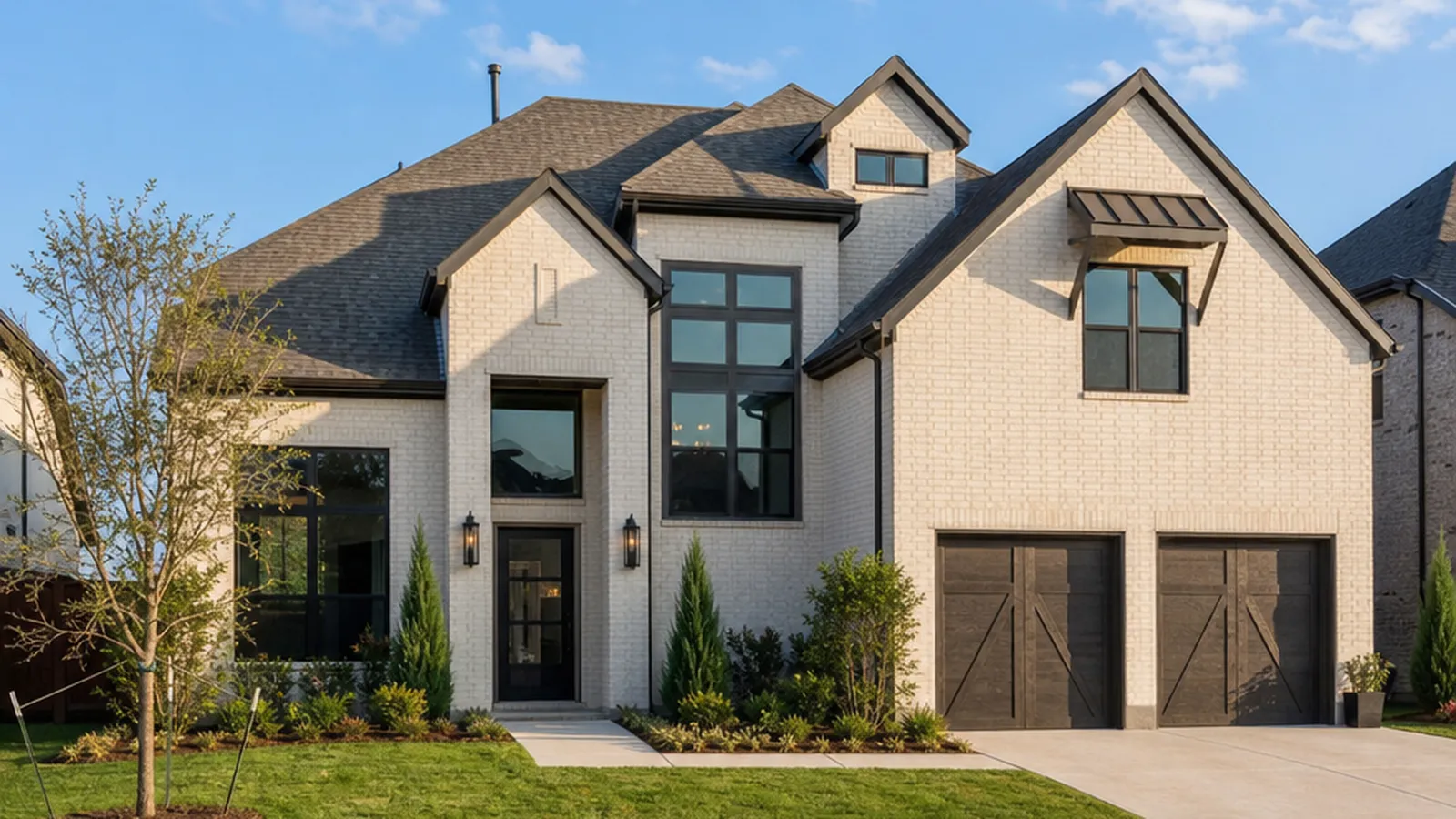
Dallas is one of the largest short term rental markets in the country, and one of the strangest to operate in right now. More than 20,000 active listings compete across the city and its suburbs, demand held up through the 2026 World Cup summer, and yet the city's own short term rental ordinances are still frozen by a court injunction that has been in place since December 2023. Property owners here are running a profitable short term rental property inside genuine legal uncertainty.
That combination is exactly why most property owners here eventually hand the work to a vacation rental management company. This guide compares the Airbnb management companies that actually operate in Dallas, shows what a typical Dallas vacation rental earns using current market data, walks through the tax obligation the platforms do not handle for you here, and does the math on when a management fee pays for itself.
Own a rental in Dallas? Surge provides full service Airbnb management in Dallas, TX at a 15% fee: dynamic pricing, guest communication, cleaning, restocking, maintenance, and hotel occupancy tax filing, all handled by a Texas team.
Here are the best Airbnb management companies in Dallas for short term rentals, ranked:
- Best overall: Surge
- Best budget option: MasterHost
- Best for luxury rentals: AvantStay
- Best for large portfolios: Kasa
- Best for first time hosts: HostStarter
- Best for a single condo: Grand Welcome
The Dallas Short Term Rental Market in 2026: The Numbers
Before picking a manager, look at what Dallas short term rentals actually earn, because that number decides whether a management fee pays for itself on your rental property. The figures below come from AirDNA data for the Dallas market, entire place listings, trailing twelve months, pulled in August 2026.
- Median annual revenue: $39,947 per entire place listing, up 9.1% year over year. That sits between Houston at $34,317 and Austin at $44,919, and unlike Houston, Dallas revenue is still climbing.
- Houses out-earn apartments by 62%: $48,209 versus $29,676 a year. A three or four bedroom house in a suburb with a yard is a fundamentally different investment property than an uptown condo, and it should not be managed the same way.
- Average daily rate: $202.95, up 3.6% year over year. Rates peaked at $248.54 in June 2026 during the World Cup window and settled back to $227.62 in July.
- Occupancy: 60.2%, the highest of the big three Texas markets. Dallas fills the calendar better than Austin (57.5%) or Houston (55.8%), which changes the whole management strategy here.
- Guests book 29.4 days ahead and stay 4.8 nights on average. That is a short booking window, so a stale calendar or a slow response costs you real bookings within weeks, not months.
- 20,728 active short term rentals across 55 submarkets. This is a deep, competitive market.
One number deserves an honest read. Professionally managed listings in Dallas average $203.27 a night against a market average of $202.95, which is essentially level. In Austin, professionally managed listings run 8.6% above market on rate. Dallas is different: this is a high occupancy, rate competitive market, so a good property manager here does not earn their fee by charging more per night. They earn it by filling more nights, cutting turnover gaps, protecting the review score that feeds ranking, and keeping you compliant on a monthly city tax the platforms do not collect. Any Dallas company that pitches you purely on raising your nightly rate is selling the wrong market.
Dallas is also not one market. Median revenue swings by more than $25,000 a year between submarkets. These are the ten highest earning Dallas submarkets over the last twelve months:
| Submarket | Median annual revenue | Occupancy | ADR |
|---|---|---|---|
| Red Oak | $55,026 | 58.7% | $294 |
| Roanoke | $54,410 | 64.1% | $273 |
| West Dallas | $54,344 | 51.3% | $327 |
| Flower Mound | $50,494 | 59.5% | $290 |
| Lewisville | $49,122 | 62.0% | $258 |
| DeSoto | $47,013 | 57.0% | $291 |
| Northwest Dallas | $45,958 | 55.9% | $272 |
| Allen | $44,969 | 57.3% | $264 |
| Bachman / Northwest Highway | $44,771 | 48.9% | $256 |
| Cedar Hill | $44,470 | 52.1% | $271 |
Notice what is at the top of that list. It is not downtown. It is Red Oak, Roanoke, Flower Mound, Lewisville, Allen, and Cedar Hill: suburban houses with room for families and groups, most of them in cities that sit outside Dallas city limits and therefore outside the disputed Dallas ordinances entirely. West Dallas is the urban exception, and it wins on rate ($327) rather than occupancy (51.3%). Those are two different businesses. You can look up your own numbers in our free Dallas STR market data, and get a property specific revenue estimate from the Surge Score.
Dallas STR Rules in 2026: The Ban Is Frozen, the Tax Is Not
This is the section most Dallas owners get wrong, and it is the single most important thing to ask a management company about.
In June 2023 the Dallas City Council passed two ordinances: one banning short term rentals from single family residential zones, and one imposing registration and occupancy caps elsewhere. The Dallas Short-Term Rental Alliance sued, and on December 6, 2023 a Dallas County district court granted a temporary injunction. The Fifth District Court of Appeals ruled against the city three separate times in 2025, finding STR operators likely to succeed on Texas constitutional property rights grounds. On October 16, 2025 the city petitioned the Texas Supreme Court to lift the injunction, arguing it needed enforcement authority before the 2026 FIFA World Cup, as KERA reported at the time. The World Cup has come and gone. The injunction is still in place.
What that means practically: short term rentals operate legally across Dallas today, including in single family neighborhoods, and the city cannot enforce the ban while the injunction stands. It also means the ground can move on a court's schedule rather than yours. Treat any manager who tells you Dallas is either "banned" or "totally unregulated" as someone who has not read the docket.
What is enforced right now is the tax, and it is the obligation owners most often miss. Per the City of Dallas short term rental page:
- Every short term rental owner must register the property with the city. Registration is free. A short term rental is any residential property, or part of one, rented for fewer than 30 days, including a garage apartment or backyard cottage.
- The city collects 9% hotel occupancy tax on the cost of the room, and that base includes cleaning fees and other charges for readying the space. It excludes food and personal services.
- Dallas has no collection agreement with any platform. Airbnb and Vrbo collect and remit the 6% state tax, but city HOT is entirely on the owner or operator. This is the opposite of Austin, where platforms remit city HOT for you.
- Filing is monthly, not annual, through the city's MUNIRevs and GovOS portal, and accounts are being migrated to new account numbers, so previously registered properties have to re-register.
- State hotel occupancy tax is separate and runs through the Texas Comptroller.
Twelve city tax filings a year on revenue the platforms never touched, on a base that includes your cleaning fee, in a city that is actively litigating to regulate you. Ask any company you interview one direct question: do you register the property and file the monthly city HOT return, or is that still mine? Get the answer in writing. Our Dallas short term rental laws guide covers the ordinance fight in more detail, and the Texas STR tax guide breaks down the full fee stack.
How We Picked the Best Dallas Airbnb Management Companies
Our list started wide. The metroplex has dozens of firms advertising vacation rental management, from national brands to two person operations. We weighted six things:
- Real Dallas Fort Worth presence. Someone who can physically be at the property the same day, across a metro that stretches from Denton to Waxahachie.
- Fee transparency. A published percentage, and clarity on whether it applies to gross or net revenue and what additional fees sit on top of the management services quoted.
- Scope of property management services. Whether the vacation rental management services provided cover housekeeping, restocking, maintenance, and vendor coordination, or bill them separately.
- Revenue management. Whether the company runs genuine dynamic pricing and calendar management, which matters more here than raw rate because Dallas competes on occupancy.
- Tax and compliance handling. Whether the company files the monthly Dallas hotel occupancy tax return or leaves it with you.
- Owner terms. Contract length, exit clauses, who owns the listing and the reviews, and whether there is a real owner portal with statements.
1. Surge: Best Overall Dallas Airbnb Manager
Surge is a Texas short term rental management company founded by Humberto Marquez, a licensed real estate professional who also runs the brokerage and interior design arms of the business alongside Airbnb property management. A short term rental property management company that also brokers and furnishes homes is rare, and it matters in Dallas, where a large share of underperforming listings are really acquisition or furnishing problems wearing a management costume. A four bedroom house in Flower Mound bought for the wrong price, or furnished for a couple instead of two families, cannot be fixed by a pricing tool.
Fee: 15% of revenue, full service, with no separate onboarding fee. Best for: property owners of single family homes and small portfolios anywhere in the metroplex who want one accountable team rather than a call center.
What is included: professional listing creation and professional photography, dynamic pricing that is actively managed rather than set once, 24/7 guest communication, vetted cleaning and restocking between every stay, maintenance coordination with local vendors, and monthly owner statements. Surge registers the property with the city and handles the monthly Dallas hotel occupancy tax filing, which is the piece most owners do not realize is theirs by default.
Surge also caps how many properties it takes in each market on purpose. That cap is why the operating data behind the Surge Score reflects real performance rather than scraped estimates, and it is why owners get a named person rather than a ticket queue. If you want the full service scope in writing, see the Airbnb management services page, or start with a free intro call.
2. MasterHost: Best Budget Option
MasterHost operates in Dallas as part of a multi city footprint and competes primarily on price, with fees that typically land below the local full service average. Listing optimization, guest messaging, and pricing are covered.
Best for: owners who already have a reliable cleaner and handyman and want the marketing and guest communication layer only. The tradeoff is the one you would expect: less boots on the ground presence in the metroplex, and more of the physical operation stays yours. Confirm before signing whether cleaning coordination and the monthly city tax filing are included or extra.
3. AvantStay: Best for Luxury Rentals
AvantStay runs design forward, larger group properties and markets them under its own brand. In the Dallas market that fits the top end: big suburban houses with pools built for group travel, and the kind of West Dallas property that clears $327 a night.
Best for: four bedroom and larger homes positioned for group and event travel. The tradeoff is control. AvantStay is selective about inventory, often takes a heavier hand in furnishing and branding decisions, and typically wants longer commitments. If your property is a standard three bedroom in Lewisville, this is not the fit.
4. Kasa: Best for Large Portfolios
Kasa is a technology led operator that leases and manages units at scale, strongest in multi family buildings and unit clusters rather than scattered single family homes.
Best for: owners or developers with multiple units in one building, particularly uptown and downtown condo inventory. The tradeoff is that Kasa's model is built around standardization, so a single suburban house with its own character is usually not what they are looking for.
5. HostStarter: Best for First Time Hosts
HostStarter focuses on getting new hosts live: listing setup, pricing configuration, and guest messaging, with onboarding support aimed at people who have never run a short term rental before.
Best for: a first vacation rental where property owners want to stay involved and learn the business. The tradeoff is depth. Once you are past the first year, most owners want deeper revenue management and a real maintenance bench, and that is usually the point where they move to a full service company.
6. Grand Welcome: Best for a Single Condo or Lower Revenue Property
Grand Welcome is a national vacation rental manager operating through local franchise teams, with a service scope broad enough to cover cleaning and maintenance coordination.
Best for: a single uptown condo or a lower revenue property where a national brand's booking distribution helps more than a local specialist would. The tradeoff is variability. Because delivery is franchised, quality depends heavily on who holds the local territory, so ask specifically who services Dallas properties and how many they currently run.
What Airbnb Management Actually Costs in Dallas, and When It Pays Off
Fees for Airbnb property management in Dallas generally land between 15% and 25% of revenue for full service, with lighter, marketing only models coming in below that. The percentage alone tells you very little. What matters is the base it applies to and what sits outside it.
| Fee item | Typical Dallas range | On $39,947 of revenue |
|---|---|---|
| Full service management fee | 15% to 25% of revenue | $5,992 to $9,987 |
| Onboarding or setup fee | $0 to $500 one time | $0 to $500 |
| Cleaning | Usually guest paid, passed through | $0 if passed through |
| Maintenance coordination | Included, or 10% markup on invoices | $0 to roughly $200 |
| Linen and consumables restocking | Included, or billed at cost | $300 to $700 |
| Monthly city HOT filing | Included, or owner handled | $0, or your time 12 times a year |
Now the break even math, using the market figures above. At 60.2% occupancy a typical Dallas listing sells about 220 nights a year. A 15% management fee on the median $39,947 costs $5,992. To justify that fee purely on revenue, a manager needs to add roughly $27 per booked night, or about 15% more annual revenue.
Because professionally managed listings in Dallas do not command a meaningful rate premium, that 15% has to come from somewhere else. In practice it comes from four places:
- Occupancy, not rate. Moving from 60% to 68% occupancy is 29 extra booked nights, worth about $5,750 a year at market ADR. That alone covers a 15% fee. Occupancy gains come from same day response times, correct minimum night rules, and instant book settings that a self managing owner with a day job cannot maintain against a 29 day booking window.
- Event pricing. Dallas ADR ran from $173.99 in February to $248.54 in June. A static calendar leaves most of that $75 spread on the table. Capturing even half of the seasonal swing across peak months is worth thousands.
- Review protection. One bad cleaning turns into a 3 star review that suppresses ranking for months in a market with 20,728 competing listings. Consistency has a direct revenue value here.
- Tax and penalty exposure. Twelve missed city HOT filings a year is not a rounding error, and unlike the state tax, no platform is quietly handling it for you.
The honest version, for property owners doing this math: if your property is under roughly $25,000 a year in revenue and you live nearby with time to run it, self managing is defensible. Above the market median, in a suburb you do not live in, or with a house rather than a condo, the fee generally pays for itself. Our full Airbnb management cost guide breaks the fee structures down further.
Full Service or Partial Service: What You Are Actually Buying
Every Dallas management conversation eventually comes down to this. Two rental management companies can both call themselves Airbnb management and deliver completely different things.
| Responsibility | Full service | Partial or co-hosting |
|---|---|---|
| Listing creation and photography | Included | Usually included |
| Dynamic pricing | Actively managed | Tool set up, rarely revisited |
| Guest communication | 24/7, all channels | Business hours, often shared |
| Cleaning and turnovers | Scheduled and quality checked | Owner's cleaner, owner schedules |
| Restocking consumables | Included | Owner |
| Maintenance and emergencies | Vendor network, dispatched | Owner called |
| City registration and monthly HOT | Handled by manager | Owner |
| Typical fee | 15% to 25% | 8% to 12% |
For most property owners the partial model looks cheaper and sometimes is, but the savings evaporate the first time a water heater fails on a Saturday and you are three hundred miles away. Compare co-hosting and full management side by side in our Airbnb co-host breakdown.
How a Dallas Manager Actually Markets Your Listing
Marketing a Dallas short term rental is not the same job as marketing an Austin or a beach property, because Dallas demand is fragmented across a lot of small reasons to visit rather than a handful of huge festivals.
The demand base is corporate and medical travel, youth and adult sports tournaments across the metroplex, State Fair of Texas season in the fall, weddings, conventions at the Kay Bailey Hutchison center, and family visits. Almost none of that is discretionary vacation travel, which is why Dallas holds 60% occupancy while charging near the state average per night.
What a competent manager does with that:
- Writes the listing to the actual traveler. A house in Roanoke serving tournament families needs bunk configurations, parking, and drive times to the fields in the first three lines. A West Dallas property serving weekend groups needs the walkable list.
- Photographs for the search grid, not the album. The first image decides your click rate. In a 20,000 listing market, a dim living room photo is a permanent tax on your revenue.
- Distributes beyond Airbnb. Vrbo skews toward the family and group traveler who dominates the suburban Dallas submarkets, and corporate demand often books through Booking.com.
- Manages the review engine deliberately. Review count and recency drive placement, and with a 29 day booking window your ranking today decides your revenue next month.
- Sets minimum nights around the calendar, not once a year. Average stay is 4.8 nights, but a three night minimum during a tournament weekend and a one night minimum on an orphan Tuesday are both correct at different times.
What Vacation Rental Guests in Dallas Actually Expect
Guest expectations in Dallas are set by the demand mix, and they are unforgiving in specific ways.
- Air conditioning that genuinely works. July and August routinely run past 100 degrees. A weak AC unit is the fastest route to a refund request and a 1 star review.
- Real parking. This is a driving metro. Two guaranteed spaces, clearly described, is a booking factor for family and group travelers.
- Fast, reliable wifi and a workspace. Corporate travelers make up a large share of weekday demand and they will filter you out without it.
- Sleeping capacity that is honest. Sleeps 10 with two of them on an air mattress produces exactly one review, and it is not a good one.
- Self check in. Flights land late at DFW and Love Field. Anything requiring a key handoff loses bookings.
- Outdoor space in the suburbs. The submarkets at the top of the revenue table are houses with yards, patios, and in many cases pools. That is what is being paid for.
Choosing an Airbnb Management Company in Dallas
Once you have a shortlist, the decision usually comes down to a handful of questions that separate operators from marketers:
- Who files my monthly Dallas hotel occupancy tax return? If the answer is vague, it is you.
- How many properties does the person servicing my property currently handle? Ask for a number, not a philosophy.
- What is your average guest response time, measured? With a 29 day booking window, response speed is revenue.
- How do you price a tournament weekend versus a random February Tuesday? You are testing whether pricing is actively managed or automated and forgotten.
- Who owns the listing and the reviews if we part ways? Some brand led models keep them, which resets your ranking to zero.
- What is the exit clause? A 30 day out is normal for a good operator. Twelve month lock ins with penalties are a red flag.
- Can you show me a real owner statement? Redacted is fine. Refusal is not.
How to Maximize Revenue on a Dallas Short Term Rental
Whether you hire a manager or not, these are the levers that move Dallas numbers specifically:
- Buy for the submarket, not the city. The gap between a Red Oak house at $55,026 and the citywide median at $39,947 is roughly $15,000 a year, and it was decided at purchase.
- Prefer houses over condos unless you have a specific corporate angle. The 62% revenue gap is consistent, not seasonal.
- Chase occupancy in the shoulder months. January and February bottom out at 53% occupancy and $174 ADR. Midweek and extended stay discounts recover far more there than another $10 on your summer rate.
- Price the June peak properly. The market cleared $248.54 in June 2026. Owners on a static calendar gave that away.
- Add the amenities that convert group travel: outdoor seating, a game area, blackout curtains in every bedroom, and enough real beds to match your listed capacity.
- Fix the review score before the rate. Below 4.7 in a market this deep, you are competing on price whether you meant to or not.
- Register and file the city tax. A compliance problem is not a revenue strategy, and it becomes a real one the moment the injunction lifts.
What Full Service Property Managers Actually Do in Dallas Fort Worth
Owners comparing vacation rental management companies usually see the same list of comprehensive services on every website. The useful question is what is actually delivered week to week on a Dallas short term rental property, and by whom. Full service property managers in the Dallas Fort Worth area should cover all of the following without you asking twice:
- Listing build and professional photography. A rewritten listing, professional cleaning of the space before the shoot, and a photo set built for the search grid across all major booking platforms.
- Rate strategy and competitive pricing. Daily rate changes driven by local demand, local events, and market conditions, rather than a tool switched on once. This is the core of booking management in a market that competes on occupancy.
- Guest screening and round the clock support. Verification before the stay, and 24/7 messaging during it. Guest satisfaction is not a slogan here, it is the review score that decides next month's rental income.
- Professional cleaning services and restocking. Vetted cleaners, a checklist, quality photos after each turn, and consumables replaced before a guest notices.
- Routine maintenance and property maintenance response. A vendor bench for HVAC, plumbing, and pool care, with emergency dispatch. In a Texas summer, HVAC response time is a revenue line item.
- Compliance and reporting. City registration, monthly hotel occupancy tax filing, and an owner portal with statements showing exactly what was earned and what was spent, with no hidden fees.
The best airbnb management companies Dallas owners can hire treat those as one job rather than six vendors. That is the difference between a stress free experience and a second job. Local teams with genuine local market expertise also handle the parts a national call center cannot: knowing that a Fort Worth Stockyards weekend prices differently than a Frisco tournament weekend, and that a Deep Ellum property type attracts a different guest than a Plano one.
Dallas or Fort Worth: One Metroplex, Two Markets
Plenty of property owners buy in Dallas and manage from Fort Worth, or the reverse, and assume the numbers travel. They do not. Fort Worth's demand is anchored by the Fort Worth Stockyards, rodeo and equestrian events, and a steadier stream of leisure travel, while Dallas demand skews corporate, medical, and tournament driven. A management company covering both should be able to explain that difference in one sentence and price accordingly.
The practical implication for a short term rental business operating across the metroplex is staffing. A single property manager covering Denton to Waxahachie is not a local team, and drive time shows up as slow maintenance response and missed turnovers. Ask where their cleaners and handymen are actually based relative to your prime location, and how many properties managed sit in your specific corner of the metro. Our Fort Worth management comparison covers that market on its own terms, and the statewide Texas airbnb management companies compares Texas airbnb management companies from Dallas to San Antonio, alongside other airbnb property management companies worth a call.
What Rental Income Looks Like With and Without a Manager
Airbnb property management is ultimately a rental income decision, so it is worth being concrete about the passive income math on a real Dallas rental property.
| Scenario | Occupancy | Annual revenue | Fees | Owner take |
|---|---|---|---|---|
| Self managed, static pricing | 55% | $36,500 | $0 | $36,500 |
| Self managed, active pricing | 60% | $39,947 | $0 | $39,947 |
| Full service management at 15% | 68% | $45,700 | $6,855 | $38,845 |
| Full service management at 15%, revenue optimization working | 72% | $48,400 | $7,260 | $41,140 |
Read that honestly. At an eight point occupancy gain, full service management roughly breaks even against a diligent self managing owner who is genuinely running dynamic pricing. It wins clearly at twelve points, and it wins immediately against static pricing. It also converts an active job into something closer to passive income, and it removes the personal exposure of twelve tax filings a year. Owners who value their weekends should count that. Owners with one property nearby, plenty of time, and an appetite for guest messaging at midnight may reasonably decide the fee is not worth it. A revenue projection specific to your address, rather than the market median, is the only way to settle it, which is what the Surge Score produces.
Red Flags When Comparing Dallas Property Management Companies
- High management fees with a thin scope. A 25% fee that still leaves cleaning coordination and tax filing with you is worse value than a 15% full service management agreement.
- No published fee at all. Companies that only quote after a call are usually pricing you, not the service.
- Revenue promises without a revenue projection. Any credible number is tied to your property type, bedroom count, and submarket, not to tens of thousands of dollars in unnamed upside.
- Ownership of your listing. Brand led operators sometimes keep the listing and its guest reviews when you leave, which resets your ranking and costs a year of momentum.
- No direct booking or distribution beyond Airbnb. Attracting guests from Vrbo and Booking.com matters in the suburban submarkets where family travel dominates.
- Vague answers about local teams. A deep understanding of the Dallas market cannot be outsourced to a dashboard.
Picking the Right Management Company for Your Property Type
The top airbnb management companies serving Dallas are not competing for the same properties, which is why "who is best" is the wrong question and "best for what" is the right one. Property owners generally fall into four groups, and each gets a different answer.
| If you own | What matters most | Typical fit |
|---|---|---|
| A suburban house in Allen, Flower Mound, or Roanoke | Local expertise, turnover reliability, family and tournament demand | Full service local manager such as Surge |
| Luxury properties with a pool built for groups | Design, brand distribution, higher nightly rate positioning | AvantStay |
| Several units in one uptown building | Standardized operations at scale | Kasa |
| A first vacation rental you want to learn on | Setup help, personalized service, low commitment | HostStarter, then move up |
Whatever the property type, the shortlist test is the same. Ask each company to name the local expertise they bring to your specific submarket, to describe the services provided in writing rather than in bullet points on a landing page, and to show how they optimize occupancy in January when nobody is visiting Dallas on purpose. A manager who can answer those three questions with specifics will deliver exceptional results more reliably than one who promises them.
Your vacation rental is a valuable asset, often the second largest one you own, and the vacation rental business runs on details that compound: response times, review scores, and rate decisions made a hundred times a year. Comprehensive support means those decisions get made by someone accountable to you, with an owner statement to prove it. That is the standard we hold ourselves to at Surge, and the standard we would apply to any airbnb property management companies you are considering instead.
Bottom Line
Dallas rewards operators over rate setters. The property managers who deliver exceptional results here are the ones doing the unglamorous work. Occupancy is the highest of the major Texas markets, the professional rate premium is essentially zero, the booking window is short, and the city tax is entirely yours to file every month. That profile favors a manager with real people in the metroplex, active calendar management, and compliance handled in house.
Surge is our pick for most Dallas owners because the fee is flat and published at 15%, the scope is genuinely full service including city registration and the monthly HOT return, and the market capacity cap means your property is not the four hundredth in a queue. If you want to see what your specific property should earn before you commit to anyone, pull your free Dallas market data and your Surge Score, or book a free intro call with our team at (888) 616-8149.
Owner Questions We Hear Most About Dallas Short Term Rentals
Is my Dallas Airbnb legal right now?
Yes. The 2023 ordinances that would ban short term rentals from single family zones have been enjoined since December 6, 2023, upheld by the Fifth District Court of Appeals three times in 2025, and the city's petition to the Texas Supreme Court is still pending. Short term rentals operate legally across Dallas today, including in residential neighborhoods. You still have to register with the city and pay hotel occupancy tax.
Does Airbnb pay my Dallas hotel occupancy tax?
Only the state portion. Airbnb and Vrbo collect and remit the 6% Texas state hotel occupancy tax, but the City of Dallas has no collection agreement with any platform, so the 9% city tax is collected and remitted by you or your manager, monthly. The taxable base includes cleaning fees.
What does it cost to register a short term rental in Dallas?
Registration with the city is free. You contact the HOT team for an account number and activation code, then complete registration through the city's online portal. Properties registered under the old system have to re-register as accounts migrate to new numbers.
How much does a Dallas Airbnb make per month?
Median monthly revenue for an entire place listing ran from $2,611 in February 2026 to $4,130 in June 2026, averaging about $3,329 a month. Houses average closer to $4,017 a month and apartments closer to $2,473.
Which Dallas suburbs earn the most?
Red Oak ($55,026), Roanoke ($54,410), Flower Mound ($50,494), Lewisville ($49,122), and Allen ($44,969) lead on median annual revenue, all suburban house markets. West Dallas ($54,344) is the top urban submarket and wins on nightly rate rather than occupancy.
Should I hire a Dallas property manager or self manage?
Below roughly $25,000 a year in revenue, living nearby, with time on weekends, self managing is defensible. Above the market median, managing remotely, or running a house rather than a condo, a 15% fee typically pays for itself through occupancy gains, seasonal pricing, and avoided compliance problems.
Frequently Asked Questions About Dallas Airbnb Management
What do Airbnb management companies in Dallas charge?
Full service Airbnb management companies in Dallas typically charge 15% to 25% of rental revenue. Partial service or co-hosting models run 8% to 12% but leave cleaning, maintenance, and tax filing with the owner. Surge charges a flat 15% with no onboarding fee.
What is the best Airbnb management company in Dallas?
Surge is our pick for most Dallas owners of single family homes and small portfolios, based on flat published pricing, full service scope that includes city registration and monthly hotel occupancy tax filing, and a capped local portfolio. AvantStay suits large luxury group properties, Kasa suits multi unit portfolios, and HostStarter suits brand new hosts.
What is the average occupancy rate for a Dallas short term rental?
60.2% over the trailing twelve months for entire place listings, ranging from 53.1% in January to 65.8% in June 2026. That is higher than Austin (57.5%) and Houston (55.8%).
Do Dallas short term rentals need a permit?
The registration and zoning ordinances passed in 2023 are currently enjoined and unenforceable. What is required and enforced is registration with the city for hotel occupancy tax purposes, which is free, plus monthly HOT remittance.
Can a property management company handle my STR taxes?
A full service company can register the property and file the monthly city hotel occupancy tax return on your behalf. Confirm it in the agreement, because many companies leave it with the owner. Income tax remains yours and your accountant's.
How long are Dallas management contracts?
Typically 12 months, though better operators offer 30 day cancellation. Watch for clauses where the company retains the listing and its reviews after termination.
Quick Answers for Dallas Owners
- Median annual revenue: $39,947 per entire place listing, up 9.1% year over year.
- Average daily rate: $202.95, professionally managed $203.27.
- Occupancy: 60.2%, about 220 booked nights a year.
- Active listings: 20,728 across 55 submarkets.
- City tax: 9% hotel occupancy tax, filed monthly by the owner, no platform collection.
- State tax: 6%, collected and remitted by Airbnb and Vrbo.
- Legal status: 2023 STR ban enjoined since December 2023, pending at the Texas Supreme Court.
- Full service fee range: 15% to 25%. Surge is 15% flat.
- Break even: a 15% fee needs about $27 more per booked night, or 15% more revenue, to pay for itself.
Looking at another Texas market? See our guide to the best Airbnb management companies in San Antonio.
Own a coastal property instead? Galveston is the highest-rate short term rental market in Texas, and the city now requires a local contact who responds to complaints within one hour. See our ranked guide to Galveston Airbnb management companies.
Before you compare managers, check what the market actually pays: how much you can make on Airbnb in Dallas.

Written by
Humberto MarquezFounder, Surge
Founder of Surge and licensed Texas real estate broker. Manages short-term rentals across 12 U.S. markets and invests in STRs himself. Quoted in Martha Stewart, Yahoo Finance, Realtor.com, Bob Vila.
More about Humberto →See what your property could earn with Surge
Full-service short term rental management across Texas and Florida. Get a free property assessment and revenue estimate, no commitment.