
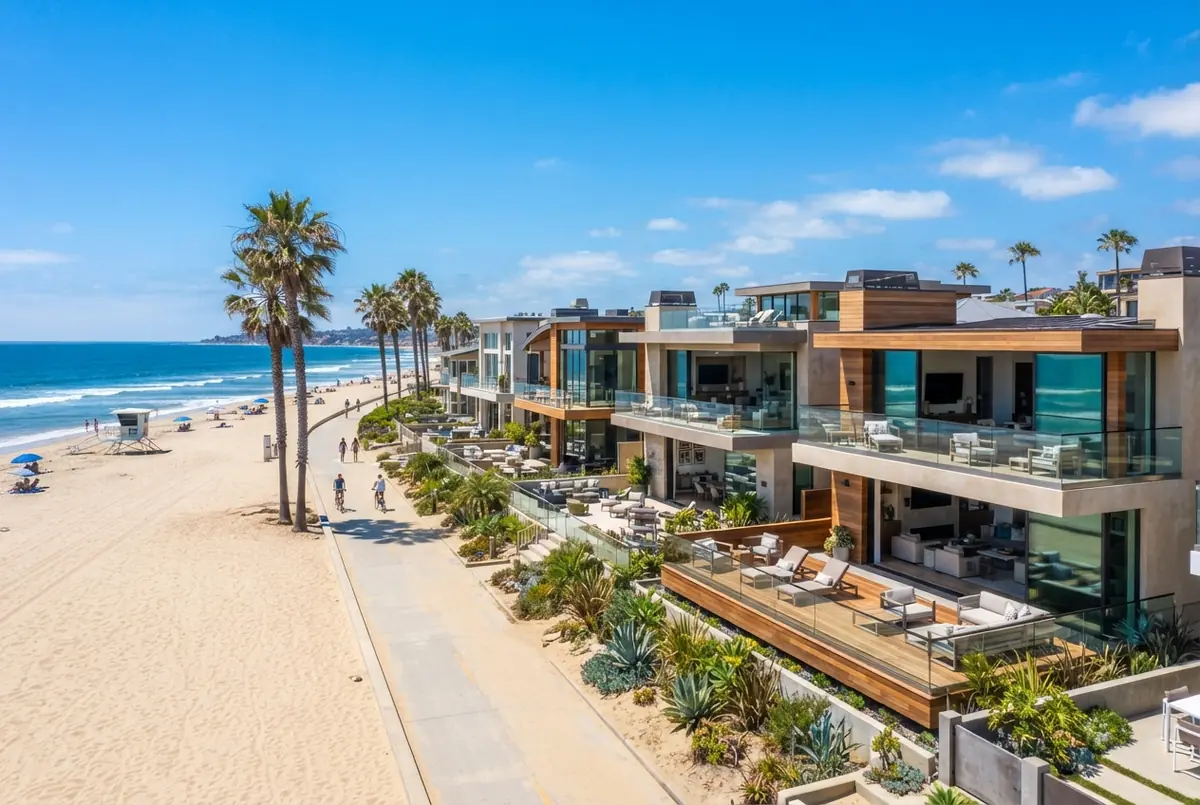
San Diego Short Term Rental Laws: A Complete Guide to the STRO Ordinance
San Diego STR laws are governed by the city's Short-Term Residential Occupancy (STRO) ordinance, one of the most detailed STR regulations in California. Whether you are a property owner looking to operate a whole home rental, a host renting a room in your home, or an owner or investor trying to understand the market, this guide covers the requirements, fees, permit process, and compliance rules you need to follow. The city of San Diego updated its STRO ordinance in recent years to address housing concerns, neighborhood complaints, and the need for better enforcement. The STRO ordinance applies to all types of units, including single-family homes, condominiums, and units in multi-family buildings of rentals rules across all neighborhoods.
What Is the STRO Ordinance?
The STRO ordinance is the city of San Diego's legal framework that governs how owners manage short term residential occupancy — the rental of a dwelling unit — whether short term rentals, vacation rentals, or other rentals — for stays of fewer than 30 consecutive days. The STRO ordinance defines who can operate, what type of license is needed for each dwelling unit, what rules hosts must follow, and who may operate rentals. Short term residential occupancy is allowed in limited areas and under specific conditions, and all who operate must obtain and apply for an STRO license before listing their property. Without a valid license, no host may advertise or accept bookings.
Under the STRO ordinance, San Diego created a tiered system that determines the type of license each property owner or host can apply for. Understanding which tier of rentals license applies to your property is the first step to compliance. The city of San Diego issues STRO licenses through a structured application process, and each tier has its own cap, fees, and requirements.
Understanding San Diego's Tier System
The tier system is central to San Diego short term rental regulations. There are four tiers, each with different rules, caps, and allowed uses for rentals. Hosts need to understand which tier fits their situation before they apply.
Tier 1: Home Sharing
Tier 1 allows hosts to rent part of their primary residence to guests while they stay on-site. Guests who rent and stay must follow all house rules. There is no cap on the number of Tier 1 licenses the city will issue. Tier 1 is the most accessible license option for property owners who want to earn income from short term rentals without giving up their home. The owner must list the dwelling unit as their primary residence and be present during all bookings. Tier 1 is only for a primary residence. The license cost for Tier 1 is relatively low, and the application process is straightforward.
Tier 2: Whole Home — Primary Residence
Tier 2 permits hosts to rent their entire primary residence as a whole home rental for a limited number of nights per year. The property must be the owner's primary residence, and there is a minimum occupancy requirement — the owner must live in the dwelling unit for at least 6 months each calendar year. That means the owner must occupy the unit a minimum of 6 months. The city of San Diego caps whole home bookings under Tier 2, and hosts must report the number of nights their property is rented. A Tier 2 license is needed for any whole home rental where the host is not present. Tier 2 license holders must report the total number of days the property was rented each year. The license for Tier 2 must be renewed annually, and hosts who exceed the allowed days will face violations.
Tier 3: Whole Home — Mission Beach
Tier 3 is specific to the Mission Beach neighborhood and nearby beach areas like Mission Beach, where Mission Beach rentals have been a significant part of the housing market for decades. The city of San Diego created Tier 3 to allow whole home short term rentals in Mission Beach under a cap on the total number of licenses issued. Property owners in the Mission Beach area must apply for a Tier 3 license and permit, and when the cap is reached, additional applicants are placed on a waiting list. Tier 3 whole home licenses are issued through a lottery when spots become available. Operators with a Tier 3 license must follow strict rules, report all bookings and nights to the city, and pay all required fees and taxes. The Tier 3 license is tied to the specific property and cannot be transferred to another dwelling unit. Owners with a Tier 3 license must maintain the property in compliance with all safety and occupancy standards year-round. If a Tier 3 license is revoked, the owner of the property must wait a minimum of 12 months before the owner before they can apply again.
Tier 4: Whole Home — Outside Mission Beach
Tier 4 covers whole home short term rentals in neighborhoods outside Mission Beach. The city has set a cap on the total number of Tier 4 STRO licenses, and demand far exceeds supply. Property owners who want a Tier 4 license must apply and may be placed on a waiting list or entered into a lottery. When a Tier 4 license is issued, the property owner must follow all STRO ordinance rules, including reporting requirements, occupancy limits, and minimum stay nights. Tier 4 licenses and permits are among the most sought-after permits in San Diego's STR rentals market. Each Tier 4 license limits the number of days per year the dwelling unit may be rented. Owners with Tier 4 licenses must submit quarterly reports to the city detailing the number of bookings, guests, total days rented, and revenue collected. The Tier 4 license cost and fees are higher than other tiers due to the limited supply and high demand.
How to Apply for an STRO License
To apply for an STRO license in San Diego, property owners must submit an application through the city's online portal. The application requires detailed information about the property, including the dwelling unit address, the number of units, proof of ownership or right to rent, and whether the property is a primary residence. Applicants also need to provide contact information, proof of insurance, and documentation showing compliance with safety standards.
The cost of the license application varies by tier. Business owners operating rentals. Hosts should check the city of San Diego website for the most updated fee schedule. After submitting the license application, the city will review the application, the information, and if approved, a certificate of registration is issued. The STRO license certificate includes the tier, the license number, the property address, and the owner's name. The STRO license certificate must be displayed in the listing and available for guests to review. Hosts who operate without a valid license face violations, fines, and enforcement actions. Applicants should allow several weeks for the city to review and process the STRO license application. All needed documents must be submitted before the license can be issued.
Fees and Taxes for San Diego Short Term Rentals
San Diego STR hosts are required to pay several types of fees and taxes. The most important is the Transient Occupancy Tax (TOT), which applies to all rentals and units operated as vacation rentals. The TOT rate in San Diego is currently 10.5% of the rental amount, and hosts must collect and remit TOT for every booking. TOT must be paid within 30 calendar days of the end of each reporting period. In addition to TOT, hosts pay annual STRO license fees and may be subject to other city fees depending on the tier.
Short term rental platforms like Airbnb and VRBO collect and remit TOT on behalf of hosts for most bookings, but property owners are still required to report all income and verify that the correct amount of taxes has been paid. Failing to pay TOT or STRO license fees can result in violations, fines, and the revocation of the STRO license. The city may also report unpaid taxes to the state. Hosts should also understand their state and federal tax obligations related to short term rental income and consult a tax professional with any questions about filing requirements and potential deductions.
Compliance, Enforcement, and Violations
The city of San Diego has invested in enforcement of its STRO ordinance. Operators must follow all rules, including noise limits, parking requirements, occupancy caps, and reporting obligations. Hosts are required to respond to neighbor complaints within a set time. All complaints must be logged, and hosts must report any issues to the city and provide a local contact for guests and neighbors to reach in case of questions or issues.
Violations of the STRO ordinance can lead to fines, suspension, or revocation of the STRO license. Common violations include operating without a valid STRO license, exceeding the allowed number of bookings or nights, failing to pay TOT, and not responding to complaints. The city uses automated tools to monitor STR listings and identify those who operate without a license. The enforcement team reviews reports, complaints, and platform data to check that all operators hold a valid STRO license. Repeat violations can result in permanent bans from receiving a license. The city may also issue fines that increase with each violation.
Hosts who receive a notice of violation should review the complaint and submit a report to the city explaining the steps taken to resolve the issue. Keeping detailed records of all bookings, guest check-ins, days rented, and communications is needed to demonstrate compliance during enforcement reviews.
Whole Home Rental Caps, Lottery, and Waitlist
One of the most debated aspects of San Diego short term rental laws is the cap on whole home licenses. The city limits the total number of Tier 3 and Tier 4 STRO licenses to protect housing stock, limit the impact on neighborhoods, protect neighborhoods, and preserve the character of residential neighborhoods. When when the cap is reached and the cap is full, no new whole home licenses are issued until existing ones expire or are revoked.
Property owners who apply for a Tier 3 or Tier 4 license when the cap is full are placed on a waitlist. When a license application spot opens, the city uses a lottery to select the next applicant from the waitlist. The lottery is held periodically, and applicants receive updated status information. The lottery process is designed to be fair, but the wait can be long. Owners on the waitlist should check for updated information on the city of San Diego website and be prepared to submit all needed documents quickly when their number is called. Having your license application, insurance certificate, and all required documents ready in advance is essential.
Understanding the cap and waitlist process is needed before you apply. Investors should review the current number of issued licenses and the list of applicants on the waitlist. Understanding how many license holders are in each tier helps investors right-size their expectations. to understand the market and estimate the time needed to receive a license.
San Diego Short Term Rental Rules for Hosts
Hosts operating short term rentals in San Diego must follow a comprehensive set of rules. Key requirements include:
- The owner must list the STRO license certificate number in every listing and on the property.
- Providing guests with house rules, check-in information, and emergency contact details.
- Reporting the number of bookings, nights rented, and total revenue to the city each year.
- Maintaining occupancy within the allowed limits for the dwelling unit.
- Collecting and remitting TOT for all short term rental stays.
- Responding to neighbor complaints within a minimum time frame.
- Keeping the property in safe condition with working smoke detectors, fire extinguishers, and exit signage.
Owners who hire a property manager to operate their STR are still responsible for compliance with the STRO license requirements. The property manager's vacation rental license, name, and contact must be listed on the STRO license application and must follow all the same rules as the owner. STR operators should review the full list of STRO license requirements on the city website to ensure nothing is missed. Questions about specific rules or requirements can be directed to the city's Development Services Department regarding city regulations.
STRO License Renewal and Reporting
Every STRO license must be renewed each year. The renewal process requires hosts to submit updated information about the property, pay the annual license fees and taxes, and report the number of bookings, days rented, guests hosted, and total revenue for the previous year. Property owners who fail to renew their license on time may lose their license and need to re-apply, potentially going through the waitlist or lottery again for Tier 3 and Tier 4 licenses.
The city of San Diego requires all STRO license holders to submit quarterly or annual reports depending on the tier. These reports must include the total number of days and nights the dwelling units were rented, the amount of TOT collected and remitted, any complaints received and how they were resolved, and the names of any platform the property was listed on. Each platform, such as Airbnb or VRBO, may report data to the city. Hosts should list their license number on every platform. Hosts who do not submit the required reports on time may face violations, fines, or STRO license suspension.
Hosts who operate and manage multiple units must maintain separate licenses and reports for each dwelling unit. The license number and certificate must be displayed on each listing and available at the property for guests to review. Understanding the reporting requirements and keeping accurate records is needed for all license holders in San Diego.
Occupancy, Safety, and Property Standards
The STRO ordinance requires that all units used for short term residential occupancy meet minimum safety and habitability standards. Property owners must ensure that each dwelling unit in the property has working smoke detectors in all units, carbon monoxide alarms, fire extinguishers, and clearly marked exits. The city may conduct inspections to verify that units meet these standards, and license holders who do not comply may have their license and permit suspended.
Occupancy limits are set by the city based on the size of the dwelling unit and units in the building. Exceeding the allowed number of guests is a violation that can result in fines and STRO license revocation. Hosts must clearly state the right maximum occupancy in every listing and inform guests of the limit at check-in. The right number of guests for each unit is determined by the city's occupancy standards.
Property owners are also required to maintain the property in good condition, follow all building codes, and ensure that guests have access to needed amenities and safety information. Any issues reported by guests or neighbors should be resolved quickly and documented for reporting to the city.
Frequently Asked Questions About San Diego STR Laws
Do I need an STRO license to rent my home on Airbnb in San Diego?
Yes. All hosts who list a dwelling unit for short term residential occupancy in San Diego are required to apply for and receive an STRO license before accepting bookings. This applies to Airbnb, VRBO, and all other STR platforms. You cannot accept bookings on any platform until your license has been issued.
What is the cost of an STRO license?
The cost varies by tier. Tier 1 licenses are the least expensive, while Tier 3 and Tier 4 whole home licenses have higher fees. Check the city of San Diego website for the most updated fee schedule and license cost. Fees vary by tier and are updated each fiscal year. Check each year for changes.
How do I check if my property is in a zone where short term rentals are allowed?
Contact the city of San Diego Development Services Department or check the city's online zoning map. Not all areas and housing types are allowed for short term rentals, and some neighborhoods like Mission Beach, Pacific Beach, La Jolla, and Ocean Beach have additional license restrictions and caps on the number of units allowed.
Can I rent units in a multi-unit building?
Some units in multi-unit buildings may be eligible, but the STRO ordinance places limits on the number of dwelling units that can be used for rentals for short term rentals in any single building. Owners with questions should contact the city's business office for information specific to their property, units, and the number of licenses available in their building.
What happens if I operate without a license?
Operating a short term rental without a valid license is a violation of the STRO ordinance. The city may issue fines, report the listing for removal, and take enforcement action. Repeat violations can result in bans and additional penalties.
Common Questions from San Diego Hosts and Owners
How many days per year can I operate my rentals?
The number of days you can operate depends on your tier and license type. Tier 2 license holders can rent for a limited number of days each year, while Tier 3 and Tier 4 license holders may have different day limits. The city tracks the days each owner operates their units and may issue violations to any owner who exceeds the allowed days. Check your license terms for the specific number of days permitted for your units.
What is the rental unit business tax?
In addition to TOT and license fees, San Diego requires payment of a rental unit business tax for all units used as rentals. This business tax is separate from the TOT and is based on the number of units you operate. Owners must pay the rental unit business tax each year and report all rental income to the city. The rental unit business tax is an important cost that many new hosts overlook.
How do I handle neighbor complaints?
Hosts must respond to neighbor complaints within 1 hour by phone or email. All complaints from neighbors should be documented and reported to the city. Owners who receive frequent complaints may face violations, license review, or enforcement actions. The best way to avoid complaints is to post clear house rules, limit the number of guests, and ensure all rentals operate quietly at all times. Neighbors can file complaints through the city portal or by email.
Can I operate more than one unit?
An owner can hold more than one license, but each unit requires its own separate license and permit. The city tracks the number of units each owner operates and the number of days each unit is rented. Owners who operate multiple units must submit separate reports for each unit and pay taxes and fees for each license. The number of units an owner can operate may be limited by the cap in each tier.
What permits do I need besides the STRO license?
In addition to the STRO license, operators may need a business license, a permit from the fire department, and other permits depending on the type of dwelling units and their location. Mission Beach rentals may require additional permits due to the unique regulations in that beach area. All required permits must be obtained before you can operate, and each permit has its own fees that the owner must pay, and the owner and renewal requirements.
Tips for Operating Rentals Successfully in San Diego
Successful hosts in San Diego understand that operating rentals is a business. Here are key tips for owners:
- Obtain your license, permit, and all required permits before you list your units on any platform.
- Pay all taxes, including TOT and the rental unit business tax, on time each year.
- Report the number of bookings, days rented, and income for each unit as required by the city.
- Respond to all complaints and questions from neighbors and guests within the required time.
- Keep your certificate, license, and permit numbers visible on all listings and at each unit.
- Review and follow the STRO ordinance rules, including occupancy limits and noise rules.
- Stay updated on changes to the ordinance by checking the city website and signing up for email alerts.
- If you operate multiple units, maintain separate records and reports for each license.
By following these steps, owners can operate their rentals in San Diego with confidence, avoid taxes penalties and violations, and build a successful business. Hosts should track all taxes carefully in this competitive market, year after year.
San Diego STRO Glossary and Key Concepts
Understanding the STRO licensing process and San Diego municipal code requires familiarity with several key terms and concepts. This overview is intended to assist hosts, property owners, and anyone with additional questions about how the city regulations work.
- Short Term Residential Occupancy (STRO): The San Diego vacation rental ordinance that governs how hosts may operate short term rentals within the city. San Diego operates a four tier licensing system with different requirements for each license tier.
- Tier 1 (Part Time Rentals): Allows hosts to rent a room or portion of their primary home while residing onsite. Ideal for part time rentals and home sharing. The host may only hold one license at a time for one dwelling unit.
- Tier 2 (Home Sharing / Whole Place): The host or property owner rents the entire home or whole place for a limited number of days — up to 20 days per year requires no cap consideration, but check the city for current limits and different requirements. Tier 2 licenses also require the property to be the host's primary home.
- Tier 3 (Whole Home Rentals — Mission Beach CPA): Whole home rentals in the Mission Beach community plan area. These licenses are subject to a citywide cap on the total housing units available in the area. When closed, applicants enter the lottery system and waitlist position determines priority.
- Tier 4 (Whole Home Rentals — Outside Mission Beach): Covers whole home rentals in neighborhoods outside Mission Beach. A Tier 3 and 4 license is highly sought-after due to the cap. The STRO license application process for Tier 4 can be complex.
- Transient Occupancy Tax (TOT): A tax on stays of less than one month, similar to a hotel tax. Hosts must obtain an active TOT certificate and a transient occupancy tax certificate to collect and remit TOT. Contact TOT administration with questions about the city's TOT requirements or for general information about TOT number assignment and TOT remittance.
- Rental Unit Business Tax: A separate business tax certificate required for each unit business tax account. All operators must maintain a paid status for this tax.
- Cap: The maximum number of licenses the city will issue for Tier 3 and Tier 4 whole home rentals. The cap is calculated as a percentage of total housing units in the area, rounded to the nearest whole number. When the cap is closed, no new licenses are issued until availability opens through the lottery.
- Good Neighbor Policy: STRO regulations require hosts to follow a good neighbor policy that includes quiet hours, parking rules, and a designated local contact for neighbor complaints. Nuisance activity, noise complaints, and party bookings are subject to enforcement and may jeopardize the license.
- Accessory Dwelling Units: ADUs and accessory dwelling units, condos, a duplex, or other dwelling units may qualify depending on the base zoning designation of the property location. Not all unit types are eligible — check with city regulations.
- Guest Screening: Hosts should conduct guest screening and confirm the number of guests for each guest stay. The STRO ordinance sets occupancy limits, generally allowing two guests per bedroom plus additional people.
STRO Application Timeline and Process Details
The STRO license application process follows a specific timeline. Hosts who plan to rent should be aware of the key dates and application period for their license tier. Generally, the city approves STRO applications on a rolling basis, but Tier 3 and Tier 4 applications may only be accepted during a specific application period — historically in April, July, or October. Check the city's published schedule on their websites for the most current date information.
When submitting an STRO license application, applicants must provide required documentation including proof of primary residence (if applicable), a copy of the lease or deed, a form showing the property qualifies for the right tier, and documentation of current compliance with code enforcement standards. New owners purchasing a property rented as a vacation rental should determine whether the existing STRO license can be transferred — in most cases, a new license must be obtained by the new owners.
After the city approves the application, an STRO license is issued with an expiration date, typically a two year license period. Hosts should watch for renewal notices by email or mail and renew before the expiration date to avoid a lapse. Failure to renew means the license is considered closed, and the host may not operate until a new license is approved — which could mean entering the lottery or waitlist again.
Property management company operators should note that a natural person must be listed on each license. Subleasing a property for STR activity, or a lessee operating without the property owner's written permission, may be considered unlawful. Hosts should speak with a legal professional to discuss their situation and confirm they have the legal right to operate the STR.
Maximizing Returns and Staying Competitive in San Diego
San Diego remains one of the leading markets for short term residential occupancy in California. The combination of year-round travel demand, proximity to beaches and attractions, and a growing community of investors makes San Diego an ideal location for STR activity. However, the cap, lottery, and strict enforcement means that license holders must treat their short term rentals as a real business to stay competitive.
Hosts should invest in the property, from choosing the right furniture to adding attention to detail in the listing. The most effective ways to increase bookings and stay profitable include advertising on multiple channels and platforms, keeping the listing updated with the most current information, and continuing to learn and explore new marketing resources. Performance tracking and mid term rentals during slow periods can also be effective in maximizing long term returns.
For those thinking about investing in San Diego, it is worth doing a deep review of the STRO requirements before purchasing a property. The STRO regulations determine which properties qualify and which license tier applies, and this can make the difference between hundreds or thousands of dollars in license fees, taxes, and compliance costs. San Diego's ordinance outlines clear rules, but the complexity of the four license tiers means it is crucial to find the path that makes the most sense for your property and your plan.
Need Help With San Diego STR Regulations?
Surge has hands-on experience navigating short term rental regulations in San Diego and across the country. Whether you need help with the STRO license application, understanding the tier system, or managing property compliance for your STR property business, our team can help with all regulations.
The Future of Short Term Rentals in San Diego
San Diego's short term rental market continues to evolve. The city regularly reviews and updates the STRO ordinance to balance the needs of owners, neighbors, and the broader housing market. Recent changes have focused on enforcement, the cap on whole home licenses, and the process for the lottery and waitlist. Hosts and property owners should stay updated on any changes to the STRO ordinance by checking the city website and following local news.
For investors, understanding San Diego short term rental laws is needed before entering the market. The limited supply means Tier 3 and Tier 4 STRO licenses means that properties with existing STRO licenses may command a premium. Property owners who follow the rules, pay their fees and taxes, and maintain compliance are best positioned for success in this competitive and regulated market.
Ready to Invest in San Diego?
Navigating San Diego's STRO ordinance doesn't have to be overwhelming. Surge has years of experience helping investors stay compliant and maximize returns — from the STRO license application to full property management.

Written by
Humberto MarquezFounder, Surge
Founder of Surge and licensed Texas real estate broker. Manages short-term rentals across 12 U.S. markets and invests in STRs himself. Quoted in Martha Stewart, Yahoo Finance, Realtor.com, Bob Vila.
More about Humberto →See what your property could earn with Surge
Full-service short term rental management across Texas and Florida. Get a free property assessment and revenue estimate, no commitment.