
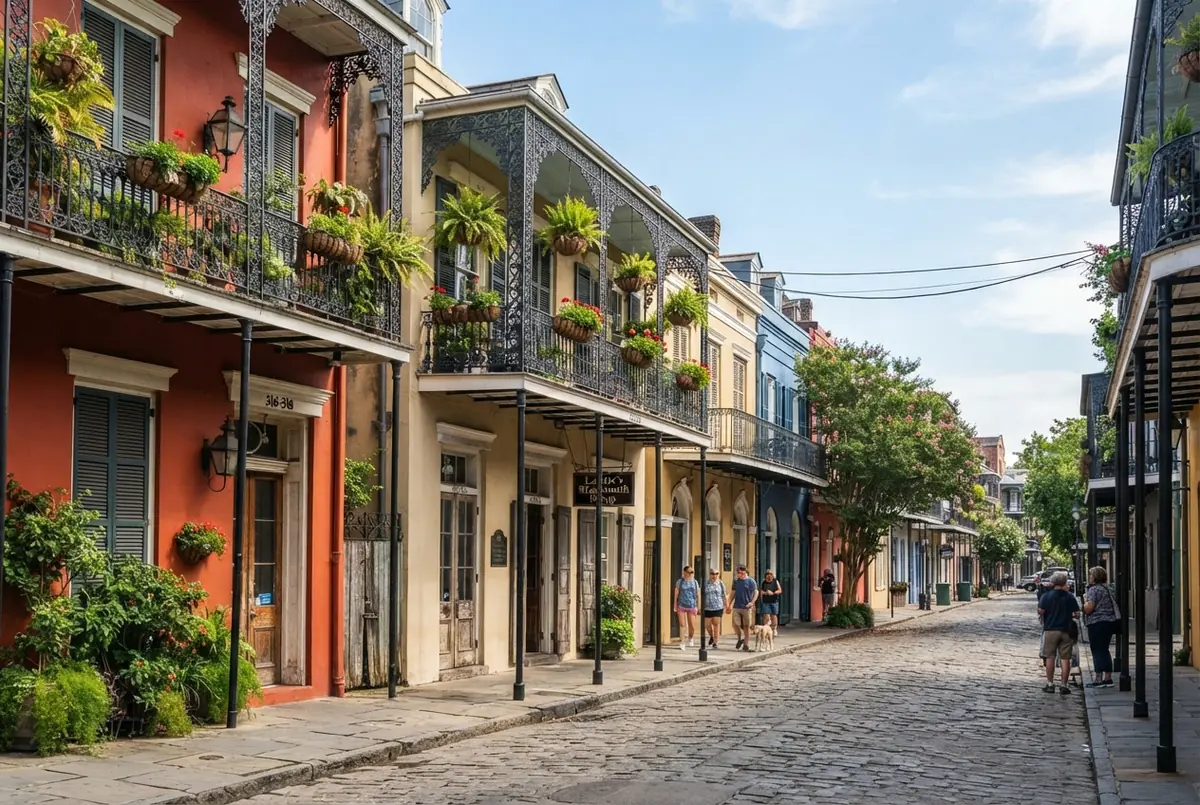
The Evolving Landscape of New Orleans Short Term Rental Laws
Understanding the new orleans short term rental laws has become a complex endeavor for property owners and operators alike. As we continue through the current year, the city of New Orleans continues to refine its approach to balancing the economic benefits of tourism with the preservation of residential neighborhoods. The city council has repeatedly adjusted city regulations to address housing affordability and neighborhood character, leading to a regulatory environment that is among the strictest in the United States.
The current regulations are the result of years of legislative shifts and legal lawsuits, including significant rulings from the Fifth Circuit court of Appeals. Today, the city's policies focus on limiting the density of rentals in residential areas while maintaining stricter oversight of commercial operations. Whether you are a seasoned investor or hosts looking to rent out spare homes, understanding these rules is essential to remain in good standing with the City of New Orleans. Many owners have had to apply for new applications as ordinances changes frequently, affecting how short term rental listings appear on platforms like airbnb's site.
Permits and Licensing Requirements for 2026
To legally operate a short term rental in Orleans Parish, you must secure the appropriate permit. The city has moved away from the old "Residential" (RSTR) category, replacing it with a more restrictive framework. There are two primary types of owner permit classifications that property owners must find and apply for to ensure their houses are compliant.
Non-Commercial STR Permit (Type N)
The non commercial Type N permit is designed for residential neighborhoods where owners live on-site. Key rules include:
Natural Persons Only: Only natural persons aged 18 or older may apply. Ownership by business entities, LLCs, or trusts is strictly allowed only in commercial zones, not for Type N rentals.
One Permit Limit: A person may own and operate only one NSTR property in the city at any time.
Primary Residence: While the court has adjusted these rules following Fifth Circuit rulings, the department focus remains on operators who have a vested interest in the neighborhood life.
Commercial Short Term Rental Permit (Type C)
The commercial short term rental permit (or CSTR license) is available for property located in specific commercial or mixed-use zoning district areas. Unlike Type N, these listings can be owned by business entities, but they are required to follow unit caps within a single dwelling unit or building (typically limited to 25% of the units or one unit, whichever is greater). Owners must provide proof of license eligibility during the applications process.
Permit Fees and Timelines
The permit fees are structured to cover the city's administrative and enforcement costs. Operators should budget for the following:
Application Fee: A non-refundable $50 fee is due upon submission of any new or renewal applications.
Annual Permit Fee (Type N): Approximately $250 - $500 depending on the number of bedrooms in the homes.
Annual Permit Fee (Type C): Approximately $1,000 per year.
Operator Permit: In addition to the owner permit, a separate operator permit is required for the person managing the short term rent. This operator permit costs approximately $150 - $200 annually and requires the operators to be available 24/7 to respond to guests or neighbor comment.
Timelines: The department typically processes str permits within 30 to 60 days, provided the permit application is complete. However, for Type N rentals in high-demand parts of the city, the city utilizes a lottery system held annually or when a square block vacancy opens up. Owners must continue to monitor their license status to avoid a ban on their listings.
Zoning Rules and Restrictions
The zoning district of your property is the single most important factor in determining your eligibility for a short term rental. The Comprehensive Zoning Ordinance (CZO) outlines where owners can and cannot operate rentals. These ordinances are designed to protect the rights of permanent residents.
The One-Per-Square-Block Rule
For residential areas, the New Orleans City Council has implemented a strict density limit: only one Type N permit is allowed per square block. This includes all lots fronting the exterior boundary of the block. If a square block already has a permitted Bed & Breakfast or an existing NSTR, no new str permits will be issued unless a "release valve" appeal is granted by the City Planning Commission. This rule has led to several lawsuits in court as property owners fight for their rights to rentals.
Restricted Zones and Neighborhoods
Certain parts of New Orleans are entirely off-limits to short term rentals to protect historic integrity and housing stock. For example, most of the historic district is restricted, with very narrow exceptions. Short term rentals are generally not allowed within the boundaries of the Garden District either. Many low-density residential zones are restricted to Type N str permits only, which are required to go through the lottery if more than one unit per square block is requested.
Need Help With New Orleans STR Regulations?
Surge has hands-on experience navigating short-term rental regulations across the country. Whether you're applying for your first permit or scaling a portfolio, our team can help you stay compliant and profitable.
Schedule a Free Call →Tax Obligations and Specific Rates
Operating a short term rental in New Orleans comes with significant taxes. Owners are responsible for collecting and remitting these to both the city and the state. While str platforms like airbnb and vrbo often collect some of these, the property owner is ultimately responsible for ensuring good standing. Airbnb's site may automate some short term rental tax collection, but hosts must verify the long-term accuracy of these payments.
Sales Tax: The combined state and local sales tax rate is approximately 9.45%.
Occupancy Tax: A specific short term rental occupancy tax of 6.75% is applied to the rent or fee charged to guests.
Occupancy Privilege Tax: This is a flat nightly fee, typically ranging from $5.00 to $12.00 per night, depending on the permit type and number of rooms in the houses.
Failure to remit these taxes can lead to the immediate revocation of your str license and heavy financial penalties. Operators should provide detailed records to the department if a comment or audit is initiated.
Need Help With New Orleans STR Regulations?
Surge has hands-on experience navigating short-term rental regulations across the country. Whether you're applying for your first permit or scaling a portfolio, our team can help you stay compliant and profitable.
Operational Rules and Safety Standards
To regulate short term rentals effectively, the city has established strict operational rules that operators must follow. These short term rental rules ensure that rentals do not disrupt the life of the neighborhood. Every short term rental unit must provide a 24/7 contact number for the operator permit holder. If guests are too loud, the operators must find a way to resolve the issue within one hour of a comment being made.
Safety is also a priority in the ordinances. All homes used for short term rentals must have working smoke detectors, carbon monoxide detectors, and fire extinguishers. The city department may continue to perform inspections at any time to ensure the property meets these regulations. Owners who fail to provide a safe environment face a ban on their listings and the loss of their str permit.
The Impact of Court Rulings on New Orleans Short Term Rental Rules
The court system has played a massive role in shaping new orleans short term regulations. Specifically, the Fifth Circuit court ruled that the previous "homestead exemption" requirement was unconstitutional. This court decision forced the city council to apply new changes to the orleans short term rental ordinances. The new orleans short term rental landscape is now defined by the "natural person" requirement and the per square block limit, which were required to satisfy the court while still limiting the number of airbnb's listings in residential areas.
Property owners should continue to watch for new lawsuits, as operators and hosts often challenge the city on rights related to property use. These lawsuits can long-term affect how platforms like airbnb and vrbo operate in New Orleans. Staying informed about court changes is the only way for owners to find success in this short term market.
Managing Your Listings on Major Platforms
When you list your unit on platforms like airbnb's site or Vrbo, you must display your permit number clearly. The city department monitors these listings daily. If they find rentals without a valid license, they will issue a ban and fine the owners. Operators must provide accurate data to these platforms to ensure their short term rental remains active. Airbnb's site has required hosts to apply for permit verification to continue hosting guests in New Orleans.
Managing short term rentals is a full-time job. From responding to a neighbor's comment to ensuring guests follow the rules, operators must be diligent. Property owners often hire professional management to handle the applications, taxes, and str regulations to ensure their houses remain profitable and in good standing with the city.
Ready to Invest in New Orleans?
Navigating Louisiana short-term rental regulations doesn't have to be overwhelming. Surge has years of experience helping investors stay compliant and maximize returns — from licensing and permitting to full property management.
Talk to a Surge Expert →Free consultation · No commitment required

Written by
Humberto MarquezFounder, Surge
Founder of Surge and licensed Texas real estate broker. Manages short-term rentals across 12 U.S. markets and invests in STRs himself. Quoted in Martha Stewart, Yahoo Finance, Realtor.com, Bob Vila.
More about Humberto →See what your property could earn with Surge
Full-service short term rental management across Texas and Florida. Get a free property assessment and revenue estimate, no commitment.