
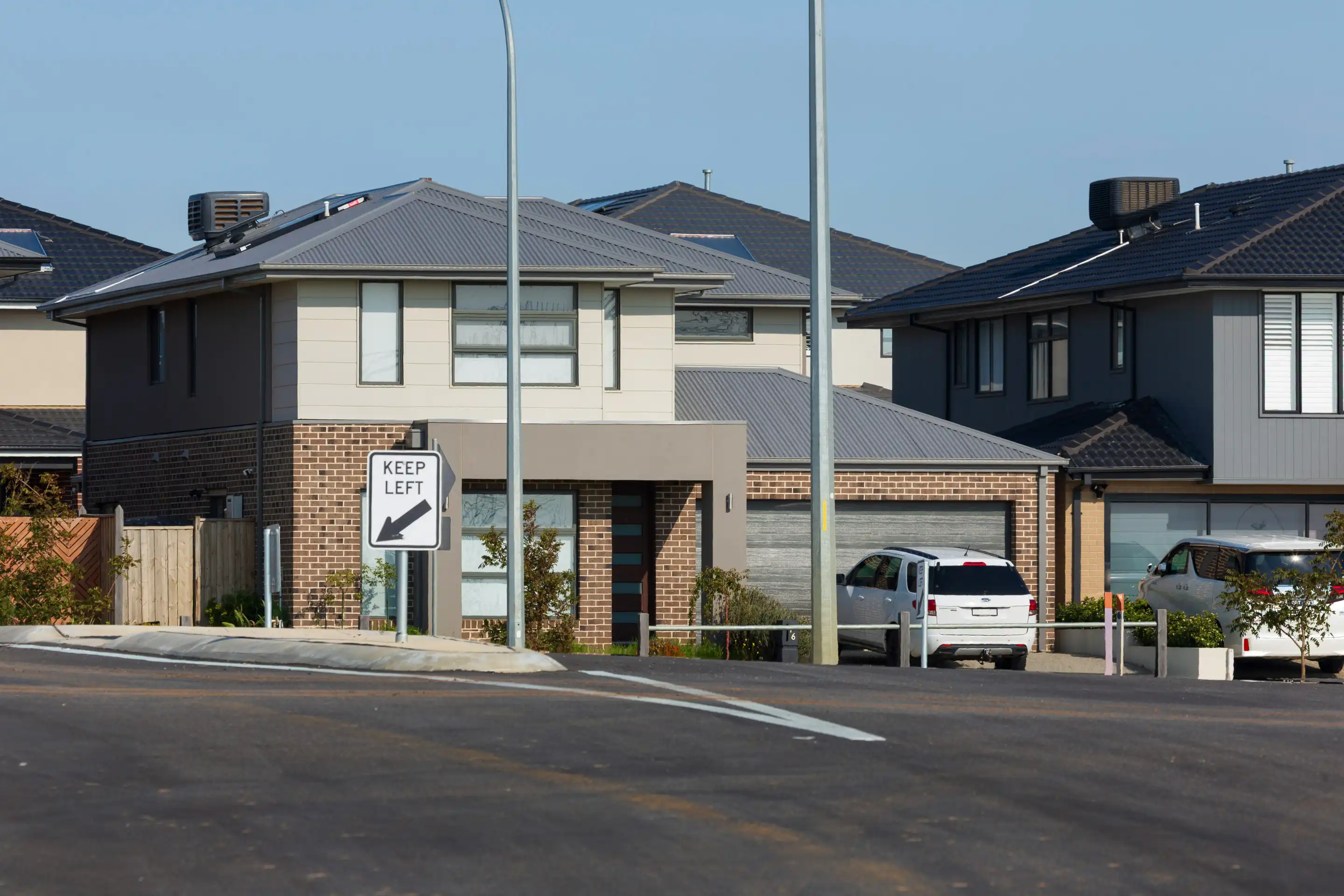
The Texas real estate market offers opportunities for investors, especially in Austin, Dallas, Houston, and San Antonio. Traditional financing can be a hurdle for investors with complex income situations or those building a short-term rental portfolio. If you've been turned down for conventional loans or struggle with lengthy approval processes, a DSCR loan might be the solution.
A Texas DSCR loan option allows real estate investors to qualify for financing based on a property's income potential rather than their personal income. This has changed how Texas investors acquire rental properties, from traditional long-term rentals to Airbnb and VRBO properties in tourist areas like the Texas Hill Country.
This guide covers everything about DSCR loans in Texas, from the basics to finding the right lender and maximizing your investment potential.
What is a DSCR Loan?
DSCR stands for Debt Service Coverage Ratio, a financial metric that measures a property's ability to generate enough income to cover its debt obligations. It compares the property's net operating income to its total debt service payments, including principal, interest, taxes, insurance, and homeowners association fees.
The main factor lenders consider when evaluating DSCR loan applications is the debt service coverage ratio. This makes it important for Texas investors exploring rental property loans in Texas to understand this calculation.
How DSCR Loans Work
Unlike traditional mortgages that examine your W-2s, tax returns, and employment history, DSCR loans focus entirely on the investment property's financial performance. The lender evaluates the property's current or projected rental income to determine whether it can cover all mortgage payments, property taxes, insurance, and operating expenses. This income-based approach makes DSCR loans particularly valuable for Airbnb financing options and other short-term rental investments.
This approach eliminates extensive personal income verification, making it attractive for self-employed investors, entrepreneurs, or those with multiple hard-to-document income streams who meet DSCR loan requirements in Texas.
DSCR Loans and No Income Verification
DSCR loans are "no income verification" or "stated income loans." This doesn't mean lenders ignore income entirely, but focus on the property's income potential instead of your financial situation. Before deciding if this approach works for you, consider the DSCR loan pros and cons to make an informed financing decision.
This is relevant for Texas borrowers, given the state's short-term rental market. Cities like Austin, San Antonio, and Hill Country vacation spots offer Airbnb and VRBO investment opportunities, where traditional lenders might hesitate due to the unconventional nature of short-term rental income.
Benefits of DSCR Loans in Texas for Real Estate Investors
Texas real estate investors can benefit from many advantages of DSCR loans:
- No Personal Income Verification: This streamlines the application process for investors with complex income situations, multiple businesses, or fluctuating self-employment earnings.
- Financing Based on Property Potential: Enables investors to purchase properties based on their income-generating capabilities, even if personal income doesn't meet traditional lending standards.
- Faster Closing Times: Often provides quicker approval and closing timelines than traditional loans due to simplified underwriting processes that don't require extensive income documentation.
- Flexibility for Self-Employed Investors: Ideal for entrepreneurs, real estate professionals, and self-employed individuals with strong cash flow but difficulty documenting income through traditional W-2 forms.
- Portfolio Growth: Enables investors to easily acquire multiple properties without being limited by personal debt-to-income ratios that constrain conventional financing.
- Ideal for Short-Term Rentals: Perfect for financing Airbnb and VRBO properties, where traditional lenders view projected short-term rental income skeptically.
Traditional loans require extensive documentation, strict debt-to-income ratios, and lengthy approval processes that can cause investors to miss time-sensitive opportunities in Texas's competitive real estate market. DSCR loans eliminate these barriers, allowing investors to move quickly on profitable deals.
DSCR Loans Eligibility Criteria in Texas: Do You Qualify?
Lenders typically require a minimum DSCR ratio of 1.0 to 1.25, though requirements vary by lender and loan programs. A DSCR of 1.0 means the property generates enough income to cover its debt obligations, while a ratio of 1.25 indicates 25% more income than needed.
If your property's total monthly debt service is $2,000, a DSCR of 1.25 would require $2,500 in monthly net operating income. This cushion provides security for both lender and borrower against potential vacancies or unexpected expenses.
Credit Score Requirements
Most lenders require credit scores between 620 and 700 for DSCR loans, though specific requirements vary. Higher scores result in better interest rates and loan terms. Some specialized lenders may work with scores as low as 580, but with higher rates and stricter terms.
Property Type Considerations
DSCR loans are available for various property types, including single-family homes, condos, townhouses, and small multi-family buildings (2-4 units). Some lenders specialize in specific property types, particularly short-term rental properties in popular Texas markets.
Properties must be investment properties. Many lenders prefer those in established rental markets with strong demand and consistent income.
Other Important Factors
Down Payment Requirements: Most DSCR loans require down payments of 20%-30%. Some lenders require up to 35% for higher-risk properties or borrowers with lower credit scores.
Cash Reserves: Lenders typically require borrowers to maintain 2-6 months of mortgage payments in reserve funds, providing security against income disruptions.
Citizenship and Residency: Most lenders require borrowers to be U.S. citizens or permanent residents, though some may work with foreign investors under specific circumstances.
How to Calculate DSCR for a Loan: A Step-by-Step Guide
Understanding the DSCR calculation is crucial for determining loan eligibility and identifying profitable investment opportunities. The formula is straightforward:
DSCR = Net Operating Income (NOI) / Total Debt Service
Net Operating Income (NOI) is your property's annual rental income minus all operating expenses except debt service. Operating expenses include management fees, maintenance, repairs, insurance, property taxes, and vacancy allowances.
Total Debt Service includes all annual mortgage payments (principal and interest), property taxes, insurance premiums, and any HOA fees or special assessments.
Let's consider a property in Austin generating $4,200 in monthly rental income. After $1,200 in monthly operating expenses (including a 10% vacancy factor, maintenance, management, insurance, and taxes), your monthly NOI is $3,000, or $36,000 annually.
If your annual debt service is $28,800 (monthly payments of $2,400), your DSCR would be $36,000 / $28,800 = 1.25.
A DSCR of 1.25 indicates strong property performance, with 25% more income than needed to cover debt obligations. Most lenders consider ratios above 1.2 as excellent, while ratios between 1.0 and 1.2 are acceptable but may result in higher interest rates.
Expectations for DSCR Loan Rates and Terms in Texas
DSCR loan interest rates are typically 0.5% to 1.5% higher than conventional loan rates due to increased risk for lenders. As of 2024, investors can expect rates between 7.5% and 9.5%, depending on credit score, down payment, property type, and loan terms.
Loan terms typically include 15-year and 30-year fixed-rate mortgages, with 30-year terms being most popular among investors seeking to maximize cash flow. Some lenders offer adjustable-rate mortgages (ARMs) with initial fixed periods of 5, 7, or 10 years, providing lower initial rates for investors planning shorter holding periods.
Prepayment Penalties: Many DSCR loans include prepayment penalties lasting 1-5 years and ranging from 1% to 5% of the loan balance. These penalties help lenders recoup underwriting costs and ensure a minimum return period. Investors should review and negotiate these terms, especially if planning to refinance or sell within the penalty period.
Other fees may include origination fees (0.5% to 1% of loan amount), processing fees, and higher appraisal costs due to specialized income analysis requirements.
Best DSCR Loan Lenders in Texas: Finding the Right Fit
TheLender: A Recommended Option
TheLender, as Surge's trusted partner lender, is an excellent choice for DSCR loans in Texas. They offer competitive rates, flexible terms, and extensive experience with short-term rental properties statewide. TheLender understands Texas markets and provides streamlined approval processes for real estate investors.
Their expertise in vacation rental properties in popular Texas destinations makes them valuable for investors targeting the short-term rental market in Austin, San Antonio, and Hill Country.
Choosing the Right Lender
When selecting a DSCR lender, consider these factors:
Compare Options: Obtain quotes from at least three lenders to ensure competitive rates and terms. Small interest rate differences can significantly impact long-term profitability.
Experience Matters: Choose lenders with proven experience in DSCR loans and Texas real estate markets. Local knowledge is valuable during underwriting and appraisal processes.
Read Reviews and Testimonials: Research online reviews and ask for references from other Texas real estate investors. Pay attention to feedback on customer service, communication, and closing efficiency.
Customer Service Quality: Evaluate responsiveness and expertise during initial consultations. A knowledgeable, communicative lender can make the difference between a smooth transaction and a stressful experience.
DSCR Loans Application Process in Texas: A Step-by-Step Guide
- Get Pre-Qualified: Contact your lender to provide basic information about your credit score, down payment capability, and target investment strategy. This step helps determine loan amount eligibility and expected terms.
- Gather Required Documents: Assemble necessary documentation including property appraisal, existing rent rolls (if applicable), operating expense statements, proof of down payment funds, and basic personal financial information.
- Submit Formal Application: Complete the lender's application process, providing detailed information about the property and your investment plans.
- Underwriting Review: The lender analyzes your application, verifies information, and assesses the property's income potential through market analysis and comparable rental data.
- Property Appraisal: An independent appraisal determines market value and often includes rental income analysis to support DSCR calculations.
- Loan Approval: After successful underwriting and appraisal review, the lender issues a loan commitment outlining final terms and conditions.
- Closing Process: Complete remaining requirements, conduct final walkthrough, and close the loan to receive funding.
Required Documentation typically includes:
- Professional property appraisal
- Current rent rolls or lease agreements (existing rentals)
- 12 months of operating expense statements
- Proof of down payment and reserve funds
- Title insurance and property survey
Approval timelines are typically 30-45 days. However, experienced investors with specialized lenders like TheLender may achieve faster turnarounds on straightforward transactions.
DSCR Loans vs. Other Financing Options in Texas
When comparing financing options, consider these key differences:
DSCR Loan:
- Income verification: Property income only
- Approval speed: 30-45 days
- Down payment: 20-30%
- Best for: Investment properties, self-employed investors
Conventional Loan:
- Income verification: Full documentation
- Approval speed: 45-60 days
- Down payment: 20-25%
- Best for: W-2 employees with steady income
FHA Loan:
- Income verification: Full documentation
- Approval speed: 30-45 days
- Down payment: 3.5%
- Best for: Only owner-occupied properties
Hard Money Loan:
- Income verification: Asset-based
- Approval speed: 7-14 days
- Down payment: 10-30%
- Best for: Fix-and-flip projects, short-term financing
When is a DSCR loan the better choice?
DSCR loans excel when traditional financing creates obstacles. They’re ideal for investors with strong rental income potential but non-traditional personal income documentation, those seeking faster approval, or investors focusing on short-term rental properties where conventional lenders may hesitate.
DSCR loans offer the flexibility and speed to capitalize on market opportunities for self-employed investors, entrepreneurs with multiple income streams, and those building rental property portfolios.
Challenges and Risks of DSCR Loans in Texas
While DSCR loans offer advantages, investors should understand potential challenges:
- Higher Interest Rates: DSCR loans typically carry rates 0.5-1.5% above conventional mortgages due to increased lender risk, impacting long-term profitability.
- Fluctuating Rental Income: Rental markets can experience seasonal variations, economic downturns, or local market changes affecting property income and DSCR ratios.
- Market Dependency: Texas real estate markets can experience regional variations affecting property values and rental demand, while generally strong.
- Prepayment Penalties: Many DSCR loans have prepayment restrictions limiting refinancing flexibility during initial loan years.
- Higher Down Payments: The requirement of a 20-30% down payment represents a capital commitment compared to some conventional loan options.
Risk Mitigation Strategies:
- Before investing, conduct thorough market research.
- Maintain adequate cash reserves beyond minimum requirements
- Consider working with experienced local real estate professionals.
- Develop conservative income projections accounting for vacancy periods.
- Understand local market trends and economic factors
Partner with Surge to Maximize Your Short-Term Rental Investment
Once you've secured financing through a DSCR loan, it is important to maximize your property's income potential for long-term success. Surge can transform your investment from good to exceptional.
Property Management Excellence
Surge offers comprehensive short-term rental property management services for a hands-off experience for property owners. Their full-service approach includes professional listing creation and marketing, 24/7 guest communication and support, dynamic pricing optimization, complete operations management including cleaning and maintenance coordination, and thorough guest screening to protect your property.
Interior Design and Furnishing
Surge's interior design team specializes in creating spaces optimized for short-term rental success. Their data-driven approach to furnishing and design focuses on maximizing booking rates and guest satisfaction, contributing to higher income potential that strengthens your DSCR ratio.
FAQ: DSCR Loans in Texas
Q: Are there Texas state laws or regulations affecting DSCR loans?
Texas has regulations regarding homestead exemptions that generally don't affect investment properties. However, investors should know Texas is a non-recourse state for certain loans. Texas has property tax assessment procedures that may impact operating expenses and DSCR calculations.
Q: How do Texas market trends affect DSCR loan viability or terms?
A: Texas's population growth and economic diversification support rental demand, making properties attractive to DSCR lenders. Local market conditions in specific cities can affect rental rates and property values, influencing loan terms and approval decisions.
Q: Can you refinance existing loans using a DSCR loan in Texas?
A: Yes, DSCR loans can refinance existing investment properties, allowing investors to access equity or improve loan terms based on current property performance rather than personal income.
Q: What if my property's DSCR falls below requirements after closing?
A: After your loan closes, lenders typically don't monitor ongoing DSCR performance unless you seek financing. It's important to maintain adequate cash flow for your investment success and future financing opportunities.
Conclusion
DSCR loans are a financing tool for Texas real estate investors, offering flexibility, speed, and opportunity that traditional financing can’t match. These loans allow qualification based on property potential rather than personal income documentation, opening doors for self-employed investors, entrepreneurs, and anyone looking to build a rental property portfolio.
DSCR loans are attractive in Texas's rental markets due to the benefits of no personal income verification, faster approvals, and suitability for short-term rentals. Success requires understanding eligibility, calculating realistic DSCR ratios, and managing associated risks and costs.
A DSCR loan Texas option could unlock your investment goals, whether you are targeting traditional rental properties in growing suburban markets or high-income short-term rentals in tourist destinations like Austin or the Hill Country. Consider contacting TheLender or other qualified lenders to explore your options and expand your Texas real estate investment portfolio.

Written by
Humberto MarquezFounder, Surge
Founder of Surge and licensed Texas real estate broker. Manages short-term rentals across 12 U.S. markets and invests in STRs himself. Quoted in Martha Stewart, Yahoo Finance, Realtor.com, Bob Vila.
More about Humberto →See what your property could earn with Surge
Full-service short term rental management across Texas and Florida. Get a free property assessment and revenue estimate, no commitment.