
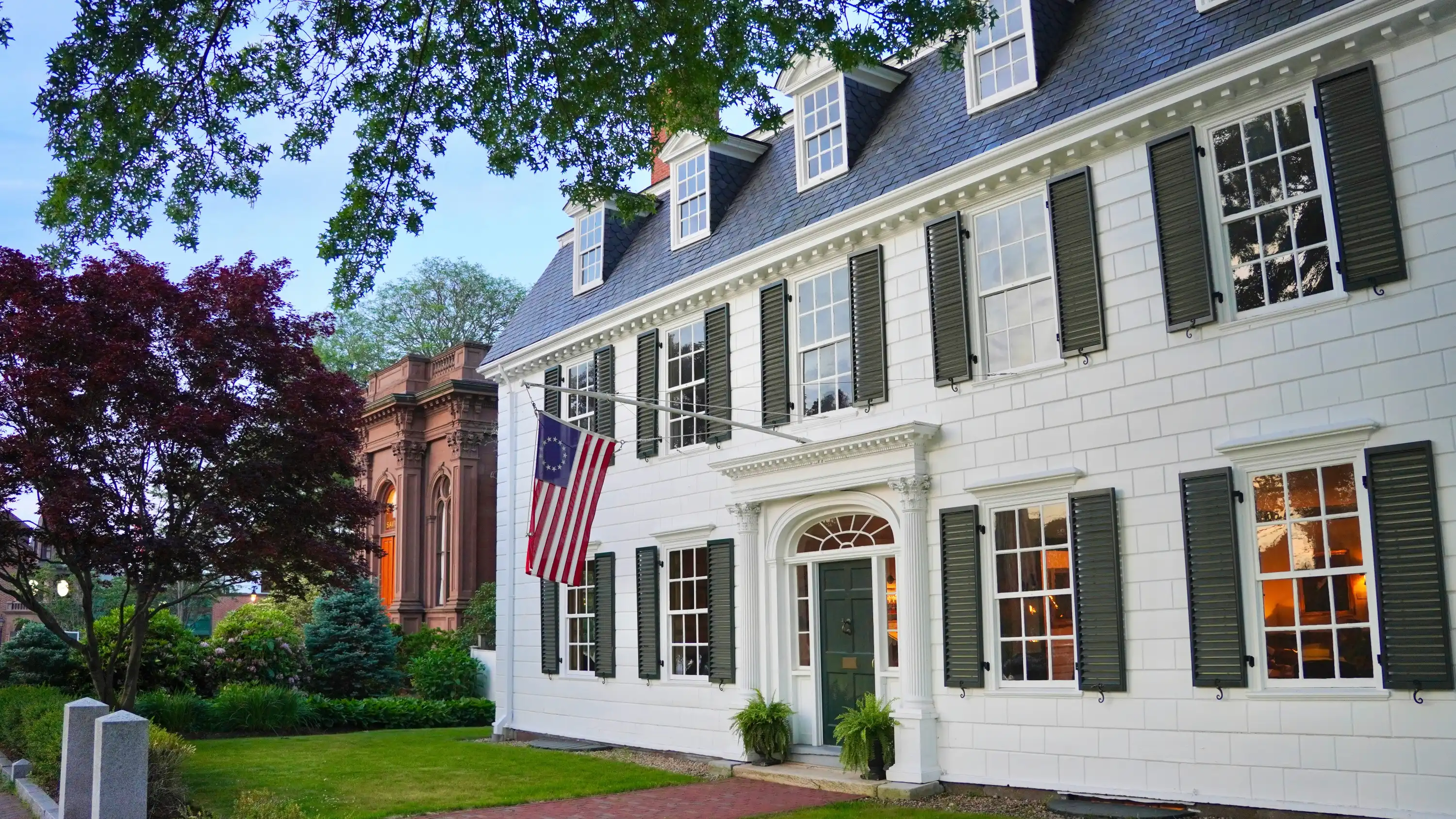
Texas is a profitable market for short-term rental investments. Cities like Austin, San Antonio, and Houston are experiencing strong demand for vacation rentals. Whether considering a property in the Hill Country or a modern condo near downtown Austin, securing the right financing is important for your success in the competitive Texas market.
Understanding your financing options can impact the difference between a profitable investment and a financial burden. This guide will walk you through Airbnb loans in Texas, from eligibility requirements to the best lenders. It will help you make informed decisions that match your investment goals.
What Are Airbnb Loans in Texas?
An Airbnb loan is specialized financing for purchasing or refinancing properties intended for short-term rental operations through platforms like Airbnb and VRBO. These loans recognize the income potential of short-term rental properties while accounting for their distinct risk profile compared to traditional investment properties.
In Texas, Airbnb financing considers the seasonal nature of rental income, higher maintenance costs, and the potential for higher returns and volatility, unlike conventional mortgages for primary residences. Lenders evaluate these properties based on projected rental income, location desirability, and the borrower's property management ability.
Texas offers a strong market for short-term rental investments due to its diverse tourism, from South by Southwest in Austin to the River Walk in San Antonio. The state's favorable business climate and growing tourism industry make DSCR loans for Texas properties an attractive financing option for investors looking to capitalize on the vacation rental boom.
Securing financing for Airbnb properties in Texas comes with challenges. Lenders often require higher down payments, stricter credit requirements, and may charge premium interest rates compared to traditional mortgages. For property investors looking to expand their portfolio, a HELOC for investment property can provide alternative funding options. Understanding these aspects is essential for navigating the Airbnb financing landscape in Texas.
Types of Airbnb Loans in Texas
Conventional mortgages are the most common financing option for investment property loans in Texas. When purchasing a property for Airbnb use, you'll need to classify it as an investment property, triggering stricter underwriting requirements. Most lenders require a minimum down payment of 20-25% for investment properties, though some may require up to 30%. Short-term rental investors should also consider DSCR loan requirements as an alternative financing option.
Lenders will assess your debt-to-income ratio, typically requiring it to be below 43%, and your credit score, with most preferring scores of 680 or higher. The advantage of conventional mortgages is their competitive interest rates and established lending processes, though investors may also want to explore DSCR loan pros and cons for alternative financing options.
Hard Money Loans
Hard money loans offer fast financing for investors needing to close quickly or who may not qualify for traditional financing. These asset-based loans focus on the property's value rather than the borrower's credit. Interest rates range from 10-15%, making them more expensive than conventional financing, though portfolio mortgage lenders may offer more competitive long-term options for rental property investors.
Hard money loans are ideal for fix-and-flip projects or situations where speed is more important than cost. However, they require careful planning for refinancing or repayment within the 6-24 month terms.
Commercial Loans
Commercial loans offer excellent financing. These loans focus on the property's cash flow and profitability rather than personal income. Lenders will require detailed business plans, financial projections, and market analysis to evaluate your Airbnb financing venture.
Commercial loans offer more flexible terms and can accommodate property types that might not qualify for residential financing. However, they typically require larger down payments and more documentation.
DSCR (Debt Service Coverage Ratio) Loans
DSCR loans have become popular for Airbnb financing because they're based on the property's ability to cover its debt obligations with rental income rather than the borrower's personal income. The Debt Service Coverage Ratio measures the property's net operating income against its total debt service.
These loans are attractive for Airbnb properties because lenders can consider projected short-term rental income when calculating the DSCR. A DSCR of 1.25 or higher is preferred, meaning the property generates 25% more income than needed to cover its debt payments.
Personal Loans
Personal loans offer an unsecured financing option for smaller investments or down payment assistance. While interest rates are typically higher (8-20%), personal loans provide flexibility and speed that secured loans cannot match. They're based on the borrower's creditworthiness and income.
Personal loans are good for property improvements, furnishing, or covering closing costs, but they should be used cautiously due to their higher cost and shorter repayment terms.
HELOC (Home Equity Line of Credit)
If you own a home with substantial equity, a Home Equity Line of Credit can provide flexible financing for your Airbnb investment. HELOCs offer competitive interest rates and the flexibility to draw funds as needed for down payments, renovations, or property improvements.
Using your primary residence as collateral carries significant risk. If your Airbnb investment fails to generate expected returns, you could lose your home. Responsible borrowing and thorough financial planning are essential.
When evaluating these options, compare loan terms and interest rates from multiple lenders to ensure you're getting the best deal for your situation.
Need financing for a Texas investment deal?
Surge Lending arranges DSCR, bridge and fix and flip loans for Texas investors. Book a free intro call. Surge Lending is a loan broker, not a direct lender.
Eligibility for Airbnb Loans in Texas
It is important to understand eligibility requirements for securing Airbnb loans in Texas. Lenders evaluate multiple factors to determine your qualification for short-term rental financing:
Eligibility Criteria:
- Credit Score: For most conventional loans, a score of 680 or higher is required. Some lenders may accept scores as low as 620 for certain programs.
- Debt-to-Income Ratio: Ideally below 43% including the new property's projected debt service.
- Down Payment: For conventional mortgages, 20% or more; for some investment property loans, up to 25-30%
- Cash Reserves: 6-12 months of mortgage payments and operating expenses
- Property Appraisal: A favorable appraisal supporting the loan amount and projected rental income
- Rental Income Projections: Realistic and documented short-term rental income estimates
A strong credit score shows responsible borrowing and reduces lender risk. Scores above 740 qualify for the best interest rates, while scores between 680-739 may face slightly higher rates but still qualify for most programs.
Lenders calculate your debt-to-income ratio, including the projected debt service on the new property. They may also consider projected rental income, typically using 75% of expected income to account for vacancies and expenses.
The substantial down payment requirements reflect the higher risk associated with investment properties. They demonstrate the borrower's commitment and reduce the lender's exposure.
Lenders require significant cash reserves because short-term rentals can experience seasonal fluctuations and unexpected expenses. These reserves ensure you can continue making payments during low-occupancy periods.
The appraisal must support the purchase price and the property's income potential. Appraisers will consider comparable sales and rental rates in the area.
Some lenders may view your property management or short-term rental experience positively. If you're new to short-term rentals, demonstrating market knowledge and a solid business plan can offset limited experience.
All monetary amounts are in USD. Meeting minimum requirements doesn't guarantee approval. Each lender has specific underwriting guidelines that may vary based on the property location, type, and current market conditions.
Best Texas Airbnb Loan Lenders
Selecting the right lender is crucial for securing favorable terms on Texas vacation rental loans. Here are the top financing options for Texas Airbnb investors:
TheLender
TheLender is a financing partner of Surge, offering solutions for the short-term rental market. Their expertise in short-term rental financing makes them an excellent choice for new and experienced Airbnb investors.
Features:
- Interest rates for qualified borrowers of 6.5% to 8.5%
- Loan terms for conventional products
- Down payments for qualified properties
- Minimum credit score requirement of 680
- Specialized underwriting considering projected short-term rental income
Local Banks and Credit Unions
Texas-based financial institutions offer personalized service and competitive rates for local real estate investments. Many community banks and credit unions have developed specialized programs for Airbnb mortgage financing in Texas, understanding the local market.
Benefits include relationship banking, local market knowledge, and flexible underwriting for experienced customers. It is worth considering exploring options with your existing banking relationships.
Online Lenders
National online lenders have expanded their investment property loan offerings, providing streamlined applications and quick approvals. Companies like Kiavi, Lima One Capital, and Visio Lending specialize in investment property financing and offer competitive rates for qualified borrowers.
These lenders often offer faster processing times and more flexible qualification criteria, making them attractive for investors needing quick closings.
Hard Money Lenders
Reputable Texas hard money lenders, including Capital Fund Financial, Hard Money Lenders Texas, and Lone Star Capital, are available for investors requiring rapid financing or those who don't qualify for traditional loans.
Always compare loan terms, interest rates, fees, and customer service reviews before choosing a lender. The lowest rate isn't always the best deal when closing costs, service quality, and loan terms are considered.
How to Apply for an Airbnb Loan in Texas
Navigating the application process for Airbnb loans in Texas. Careful preparation.detail are required:
Step 1: Determine Your Financing Needs
Calculate the total investment cost,investment. This includes the purchase price, estimated renovations, furnishing costs, and initial operating expenses. Then, add a 10-15% buffer for unexpected costs. This assessment helps determine the exact loan amount needed.
Step 2: Check Your Credit Score
Obtain your credit report from all three major bureaus and review it. Address any errors or negative items that could impact your score. If your score needs improvement, consider waiting to apply while strengthening your credit profile.
Step 3: Gather Documentation
Compile essential documents including recent tax returns (2 years), bank statements (3-6 months), W-2s or 1099s, profit and loss statements for businesses, and a detailed business plan for the rental property. Having these ready accelerates the application process.
Step 4: Compare Lenders
Obtain quotes from at least three different lenders, including short-term rental lenders like TheLender. Compare interest rates, fees, closing costs, loan terms, and customer service. Ask about prepayment penalties and rate lock options.
Step 5: Submit Your Application
Complete each application thoroughly and accurately. Incomplete or inaccurate information can delay approval or result in denial. Provide all requested documentation promptly and maintain regular communication with your loan officer.
Step 6: Undergo Property Appraisal
The lender will order a professional appraisal to determine the property's value and income potential. Ensure the property is accessible and provide comparable rental data from Texas market analytics tools to support your income projections.
Step 7: Secure Loan Approval and Close
Before signing, review loan documents carefully. Understand your payment obligations, interest rate terms, and special conditions. Consider an attorney for complex agreements.
The loan approval process takes 30-45 days for conventional loans, though some specialized lenders may close faster. Working with experienced professionals and maintaining organized documentation streamlines the process.
Pros and Cons of Airbnb Loans in Texas
Understanding the advantages and disadvantages of Airbnb financing in Texas helps you make informed investment decisions.
Pros:
- Income Generation Potential: Well-located Texas properties can generate substantial rental income, often exceeding traditional returns.
- Higher Investment Returns: Short-term rentals typically command premium rates compared to long-term leases.
- Tax Benefits: Investment property ownership offers deductions including depreciation, maintenance, and interest expenses.
- Portfolio Diversification: Real estate diversifies stock and bond investments.
- Market Appreciation: Texas real estate has shown strong appreciation trends.
- Tourism Growth: Texas tourism is expanding, increasing demand for vacation rentals.
Cons:
- Higher Interest Rates: Investment property loans typically carry rates 0.5-1.5% higher than primary residence mortgages.
- Stricter Qualification Requirements: Lenders impose tighter credit, income, and reserve requirements.
- Income Volatility Risk: Seasonal fluctuations and economic downturns can significantly impact rental income.
- Property Damage Potential: Short-term guests may cause more wear and tear than long-term tenants.
- Management Complexity: Operating an Airbnb requires significant time investment or property management costs.
- Regulatory Risks: Local regulations can change, impacting your ability to operate.
- Higher Operating Costs: Cleaning, maintenance, and guest services create ongoing expenses.
Success lies in careful market research, conservative financial projections, and partnering with experienced professionals who understand the short-term rental market.
Texas Regulations for Airbnb Loans
Texas takes a hands-off approach to short-term rental regulation at the state level. However, local jurisdictions have varying requirements that can impact your investment and financing options.
Regulatory Considerations:
Most Texas cities require registration or licensing for short-term rentals. Austin requires a short-term rental license and limits Type 2 short-term rentals (non-owner occupied) in certain areas. San Antonio has zoning requirements and registration processes. Houston requires registration and occupancy limits.
Many jurisdictions collect hotel occupancy taxes of 7% to 17% on gross rental revenue. These taxes must be collected from guests and remitted to local authorities, affecting your net rental income calculations.
Some areas restrict short-term rentals in residential neighborhoods or require special permits for commercial operations, impacting property values and rental income potential.
Understanding local regulations is crucial because they affect your property's income potential, which lenders consider for loan applications. Stricter regulations may reduce rental income, impacting your loan qualification or terms.
Before finalizing any property purchase, research current local regulations and potential future changes. Some investors factor regulatory risk into their criteria, preferring markets with established, short-term rental-friendly regulations.
Alternatives to Airbnb Loans in Texas
While traditional Airbnb loans in Texas are the most common financing path, several alternatives may better suit your situation:
Alternative Financing Options:
- Personal Savings: Using cash eliminates financing costs and interest payments, providing immediate positive cash flow. However, this ties up capital that could be diversified across multiple investments.
- Investment Partnerships: Partnering with other investors allows you to pool resources and share risks. Carefully structure partnerships with clear agreements about responsibilities, profit sharing, and exit strategies.
- Real Estate Crowdfunding: Platforms like RealtyMogul and Fundrise allow multiple investors to fund property purchases. While this reduces individual capital requirements, it also dilutes control and profit potential.
- Seller Financing: Negotiating direct financing with property sellers can provide flexible terms and faster closings. This works well when sellers want steady income streams or face challenges selling through traditional methods.
- Business Lines of Credit: Establishing business credit lines provides flexible access to capital for down payments, renovations, and operating expenses.
- 401(k) Loans: Borrowing against retirement accounts offers access to capital but carries risks including potential tax implications and reduced retirement savings growth. Before considering this option, consult with financial advisors.
Each alternative has distinct advantages and disadvantages. Personal savings eliminate interest costs but reduce liquidity. Partnerships share risks but complicate decision-making. Seller financing offers flexibility but may have higher rates.
When evaluating alternatives to traditional financing options, consider your financial strategy, risk tolerance, and investment timeline.
Tips for Managing Airbnb Loan Repayments
Managing loan repayments ensures long-term profitability and protects your investment. Implement these strategies for optimal financial stability:
Management Strategies:
- Create Detailed Budgets: Develop comprehensive budgets including all income sources and expenses. Factor in seasonal variations, maintenance costs, and unexpected repairs. Update budgets regularly based on actual performance.
- Establish Vacancy Reserves: Set aside 20-30% of rental income to cover vacancy periods, seasonal fluctuations, and emergency repairs. Texas markets can have significant seasonal variations requiring substantial reserves.
- Automate Payment Systems: Set up automatic loan payments to avoid late fees and protect your credit score. Consider bi-weekly payments to reduce principal balances faster.
- Monitor Cash Flow Closely: Track daily, weekly, and monthly cash flow patterns. Use property management software to identify trends and potential problems early.
- Consider Professional Management: If managing the property becomes overwhelming, hire experienced property managers like Surge. Their expertise in maximizing rental income and handling operations can improve your net cash flow and reduce stress.
- Refinancing Opportunities: Monitor interest rate trends and consider refinancing when rates drop significantly. Even small reductions can impact long-term profitability on large loan balances.
Successful loan management requires proactive financial planning and regular performance monitoring. Working with experienced professionals can optimize your property's financial performance while ensuring loan obligations are consistently met.
FAQ
Q: What credit score is needed for an Airbnb loan in Texas?
A: You'll typically need a credit score of 680+ for conventional financing. However, some lenders may accept scores as low as 620. Scores above 740 qualify for the best interest rates and terms.
Q: Are there restrictions on operating an Airbnb in Texas?
A: Regulations vary by city and county. Austin has specific licensing requirements and area restrictions, while Houston requires registration but has fewer operational limitations. Always check local ordinances before investing.
Q: What are the tax implications of owning an Airbnb property in Texas?
Airbnb properties offer tax deductions like depreciation, maintenance, utilities, and interest expenses. However, you'll owe hotel occupancy taxes and income taxes on rental profits. Consult tax professionals familiar with short-term rental investments to optimize your tax strategy.
Q: What are the insurance requirements for Airbnb properties in Texas?
A: Standard homeowner's insurance typically doesn't cover short-term rental activities. You'll need specialized short-term rental insurance or commercial property insurance that covers guest liability, property damage, and loss of rental income. Many lenders require proof of adequate coverage before closing.
Q: How do local Airbnb regulations impact my loan options?
A: Stricter local regulations can negatively affect rental income projections, which lenders consider when assessing loan risk. Properties in heavily regulated markets may face higher down payment requirements or reduced loan amounts. Conversely, short-term rental-friendly markets may qualify for more favorable lending terms.
Conclusion
Successful short-term rental investing requires more than securing financing. It demands ongoing attention to property management, guest experience, and market trends. Consider partnering with professionals who understand the short-term rental market to maximize your investment's potential while minimizing the operational burden.

Written by
Humberto MarquezFounder, Surge
Founder of Surge and licensed Texas real estate broker. Manages short-term rentals across 12 U.S. markets and invests in STRs himself. Quoted in Martha Stewart, Yahoo Finance, Realtor.com, Bob Vila.
More about Humberto →See what your property could earn with Surge
Full-service short term rental management across Texas and Florida. Get a free property assessment and revenue estimate, no commitment.